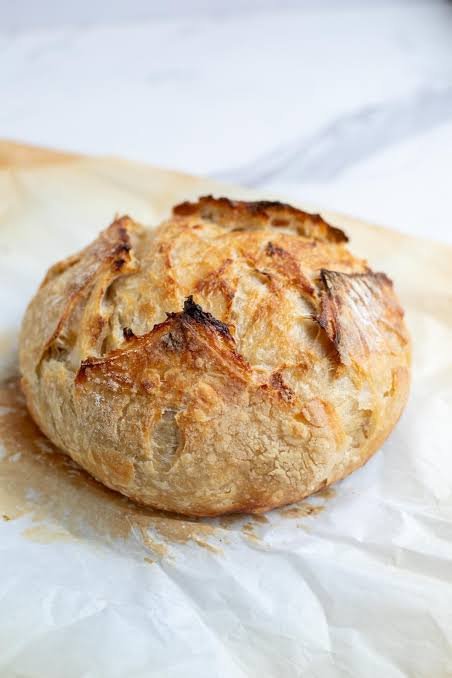
Imagine walking into your local neighborhood bakery early on a crisp weekend morning and being greeted by that unbelievable scent of toasted butter, baking wheat, and caramelized pastry dough. That exact heavenly aroma is what this whole recipe brings straight into your home kitchen. The sourdough croissant loaf is an absolute game changer that merges two of the most iconic bread creations in the whole world into one massive work of art. Instead of spending hours rolling out individual small pastries that get eaten in two quick bites, you layer rich golden butter into a naturally fermented sourdough base and bake it inside a standard bread pan. This means you get that iconic pull apart flaky goodness, the golden crispy outer crust, and the velvety rich interior of a traditional French pastry, but in a convenient form that you can slice up for breakfast toast all week long. It looks incredibly fancy on your counter, yet the process is wonderfully straightforward once you break down the steps.
People absolutely adore this recipe because it gives you the ultimate sensory reward without needing expert bakery equipment or decades of pastry experience. Traditional homemade pastries can feel a bit intimidating, but shaping the dough into a loaf pan makes the entire baking project much more forgiving and accessible for everyday home bakers. When you cut through that crisp outer top layer with a serrated knife, you hear a loud crunch that reveals hundreds of paper thin buttery layers wrapped around a fluffy sourdough interior. The wild sourdough starter brings a subtle tangy flavor profile that cuts right through the richness of the butter, preventing the slice from tasting overly heavy or sweet. It is the kind of recipe that makes your kitchen feel like a cozy retreat, filling every room with a rich buttery warmth that draws your whole family straight to the kitchen table before the oven even turns off.
This is the ultimate baking project to tackle when you want to slow down, disconnect from your busy week, and turn your kitchen into a place of comfort and joy. It is perfect for festive holiday mornings, slow Sunday brunches with friends, or simply as a rewarding weekend hobby that fills your home with unbelievable warmth and flavor. Beyond the sheer pleasure of the taste, using wild sourdough starter brings wonderful digestive benefits because the natural long fermentation process breaks down complex starches and gluten. This makes the bread much easier on your stomach compared to quick store bought loaves loaded with artificial preservatives. Whether you are baking to impress loved ones, seeking a mindful kitchen project, or just dreaming of the absolute best slice of toast you have ever tasted, this unique fusion loaf delivers pure happiness in every bite.
Making this loaf at home allows you to take complete control over every single ingredient that enters your body, which is a major win for your overall health and peace of mind. Commercial pastries are often packed with cheap hydrogenated oils, artificial flavorings, and processed sugars that leave you feeling sluggish. By using real high fat cultured butter, organic flour, pure milk, and wild natural yeast, you are creating a genuine whole food treat that nourishes both your body and your soul. Baking from scratch is also a beautiful act of self care that rewards your patience with unmatched quality. The combination of natural sourdough culture with classic French laminating techniques creates a texture so wonderfully light, airy, and golden that one single slice will completely ruin basic store bought bread for you forever in the best possible way.
Ingredients You Will Need
-
Active starter that is fully fed and bubbly, 150 grams
-
Unbleached bread flour with high protein content, 500 grams
-
Whole milk slightly warmed to room temperature, 200 milliliters
-
Filtered water at room temperature, 70 milliliters
-
Granulated white sugar or raw honey, 50 grams
-
Fine sea salt or pink Himalayan salt, 10 grams
-
Unsalted european style butter kept soft for dough, 50 grams
-
Unsalted european style butter kept cold for the block, 250 grams
-
One large egg mixed with one tablespoon milk for egg wash, 1 egg
Step by Step Method
First, prepare your sourdough starter by feeding it several hours before you begin so it becomes very active, bubbly, and doubles in volume. In a large mixing bowl, combine the active starter, room temperature water, warmed whole milk, and sugar. Stir these wet ingredients together thoroughly using a wooden spoon until the mixture becomes smooth and milky. Add the unbleached bread flour and fine sea salt into the bowl. Mix everything together with your hands or a sturdy spatula until a thick shaggy dough forms and no dry flour spots remain visible. Cover the bowl loosely with a clean damp towel and let it sit on your counter for 30 minutes to relax.
Next, add the 50 grams of softened butter directly into the dough mass. Work the butter into the dough using your hands by stretching and folding the dough over itself repeatedly for about five to eight minutes. The dough will feel a bit slippery at first, but it will quickly become smooth, elastic, and slightly tacky. Cover the bowl securely with plastic wrap and let the dough ferment at room temperature for about four to six hours. During this period, the dough should rise by roughly 50 percent and feel light and full of air pockets. Once this initial rise is complete, place the covered bowl into your refrigerator to chill overnight for at least 8 hours.
The following morning, prepare your cold butter block for laminating. Place the 250 grams of cold European style butter between two large sheets of parchment paper. Use a heavy rolling pin to gently pound and roll the cold butter into a neat square shape that measures roughly eight inches by eight inches. Work quickly so the butter remains cold yet pliable, meaning it can bend without snapping or melting. Place the shaped butter block back into your refrigerator for ten minutes while you prepare to roll out your chilled dough.
Remove your cold dough from the refrigerator and dust a large clean work surface lightly with flour. Roll the chilled dough out into a rectangle measuring roughly eight inches wide by sixteen inches long. Place your cold butter block directly in the center of the elongated dough rectangle. Fold the top edge of the dough down over the top half of the butter block, then fold the bottom edge of the dough up over the bottom half so the butter is fully enclosed like an envelope. Pinch the open dough edges tightly together with your fingers to seal the butter completely inside.
Now begin the process of laminating to create those incredible flaky layers. Carefully roll the dough out into a long rectangle about twenty four inches long, keeping your pressure even so the butter inside stays in a flat continuous layer. Fold the bottom third of the dough up toward the middle, then fold the top third down over it, just like folding a standard business letter. Wrap the folded dough in plastic film and place it in the freezer for twenty minutes to keep the butter chilled. Repeat this exact rolling and folding process two more times, resting the dough in the fridge or freezer between each turn so the butter never melts into the dough.
After completing the final fold, roll the dough out one last time into a large rectangle about half an inch thick. Cut the dough rectangle into long strips or roll it up tightly from one short end to the other to create a compact log shape. Place your shaped dough log directly into a standard nine by five inch bread loaf pan lined with parchment paper. Cover the pan loosely with a damp cloth and let the loaf rise in a warm spot in your kitchen for three to five hours, or until the dough fills the pan completely and feels soft and puffy to a gentle touch.
Preheat your home oven to 400 degrees Fahrenheit or 200 degrees Celsius. Gently brush the top surface of your risen sourdough loaf with your prepared egg wash mixture using a soft pastry brush, making sure to cover the top evenly for a glossy finish. Place the loaf pan onto the center rack of your preheated oven and bake for 25 minutes. Reduce the oven temperature to 350 degrees Fahrenheit or 175 degrees Celsius and continue baking for another 20 to 25 minutes until the crust turns a deep golden brown and the interior sounds hollow when lightly tapped. Transfer the loaf to a wire cooling rack and let it cool completely for at least two hours before slicing so the internal flaky structure sets properly.
Why This Recipe Is Special
-
Combines traditional wild yeast fermentation with classic French butter laminating techniques for unmatched depth of taste.
-
Gentle natural sourdough fermentation breaks down gluten proteins, making each slice vastly easier on your digestive system.
-
Delivers the luxurious taste of high end French croissants in a convenient sliceable loaf form for everyday meals.
-
Contains zero artificial additives, seed oils, chemical preservatives, or refined syrups found in commercial breads.
-
Creates an incredible structural contrast between the super crispy outer crust and the soft melt in your mouth interior.
Extra Tips for Better Taste
-
Always choose European style butter with an eightytwo percent fat content or higher because lower fat options contain too much water, which causes the pastry layers to steam instead of flake.
-
Keep your dough and butter at similar cold temperatures while laminating to prevent the butter from breaking into hard bits or melting into the flour.
-
Brush the top of the freshly baked warm loaf with a light coating of warm honey or maple syrup for an extra touch of shine and sweetness.
-
Toast your slices lightly in a skillet over medium heat rather than a pop up toaster to reheat the butter layers evenly without burning the edges.
-
Add a splash of rich vanilla bean paste or fresh orange zest into the initial dough mix to create an unbelievable breakfast aroma.
Final Thoughts
Baking your very own sourdough croissant loaf at home is one of the most fulfilling culinary journeys you can ever take in your personal kitchen space. While the process requires patience, cold temperatures, and gentle hands, the absolute joy of cutting into a golden flaky loaf that you crafted entirely from scratch makes every single step worthwhile. It brings the pure magic of an authentic French bakery right to your home dining table, providing wholesome nourishment and luxury for your family. Gather your ingredients, feed your active starter, and enjoy every moment of crafting this unforgettable bread.
Nutrition Details
| Metric Component | Per Serving Detail | Total Recipe Estimate |
| Total Calories | 310 kcal | 3720 kcal |
| Carbohydrates | 34 grams | 408 grams |
| Dietary Fiber | 2 grams | 24 grams |
| Sugars | 4 grams | 48 grams |
| Protein | 6 grams | 72 grams |
| Total Fat | 17 grams | 204 grams |
| Saturated Fat | 10 grams | 120 grams |
| Cholesterol | 45 milligrams | 540 milligrams |
| Sodium | 320 milligrams | 3840 milligrams |
Disclaimer
Every human body is completely unique, and individual dietary needs or nutritional responses will naturally vary from person to person. The health benefits mentioned regarding natural sourdough fermentation are based on general culinary knowledge and individual experiences may change depending on your specific digestive system. Always listen to your own body and consult with a qualified medical healthcare professional or certified dietitian if you have specific dietary restrictions, gluten sensitivities, or underlying medical conditions before making major changes to your personal diet plan.