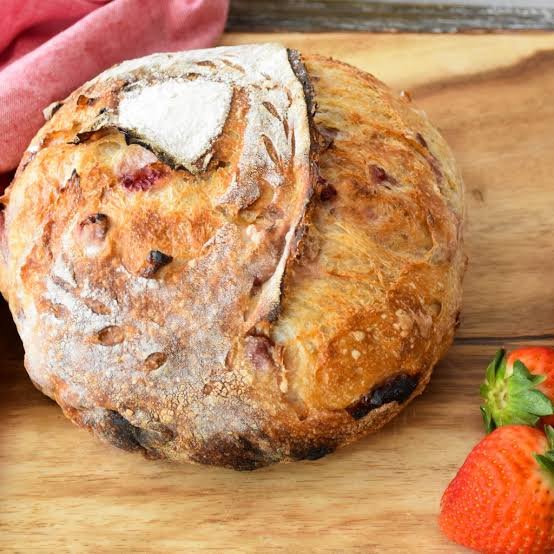
Making sourdough strawberry bread or muffins is a wonderful way to combine old fashioned baking techniques with fresh fruity flavors that everyone in your family will love. This unique recipe brings together the natural gut health benefits of fermented wild yeast and the sweet juicy brightness of ripe red berries. When you mix a active sourdough starter into a soft flour dough alongside diced fresh strawberries, something truly magical happens during the baking process. The slight tang from the cultured starter perfectly balances the natural sugars inside the fruits, preventing the final baked treat from feeling overly sweet or heavy on your palate. People all over the world are turning back to traditional sourdough baking because it transforms basic household ingredients into rich artisan foods without relying on artificial additives or commercial yeast packets. Learning how to craft this berry infused sourdough delight gives you a reliable go to recipe for lazy weekend mornings, festive family gatherings, or quiet afternoon tea sessions with your close friends.
The reason why so many home bakers fall in love with this particular fruit sourdough recipe comes down to its incredible texture and irresistible aroma. As the dough bakes inside a hot oven, the tiny diced pieces of fresh strawberry begin to melt and create soft pockets of warm fruit jam throughout the soft interior crumb. At the same time, the outer crust turns a gorgeous golden brown color while maintaining a delicate crunch that contrasts beautifully with the tender inside layer. Unlike standard quick breads made only with chemical leaveners like baking powder, sourdough dough develops complex layers of taste through a slow natural fermentation process that yields a soft tender structure. The sweet perfume of roasting berries combined with the warm buttery scent of baked sourdough will fill your entire house with an inviting fragrance that brings everyone straight into the kitchen. Kids and adults alike enjoy eating a thick slice served fresh off the cutting board, especially when spread with a generous layer of salted creamery butter or honey cream cheese.
There are many special occasions and personal reasons to bake this comforting sourdough strawberry treat throughout the year, especially during the warm sun-filled months of late spring and early summer. Choosing to prepare this recipe allows you to celebrate peak strawberry harvesting season by utilizing local fruit that is packed with vibrant color, natural sweetness, and essential vitamins. Beyond the amazing seasonal taste, many people choose this recipe for positive fitness and wellness reasons because long fermented sourdough is generally much easier on the human digestive system than regular unfermented white wheat breads. During the natural resting time, beneficial microorganisms break down complex starches and gluten proteins within the flour, making the final product far gentle on sensitive stomachs while improving nutrient absorption inside your body. Preparing a fresh loaf with love provides a grounding mindful activity that helps you slow down, reduce stress, and express your creative culinary side away from busy daily schedules and digital screens.
Bringing a loaf of homemade strawberry sourdough to a potluck brunch, a summer picnic, or a neighborhood block party is a guaranteed way to impress your guests and spark happy conversations. Food has an incredible ability to evoke cozy nostalgia, and the warm combination of sweet garden berries with rustic sourdough bread often reminds people of simple country kitchens and beloved family traditions. You do not need to be an expert baker with decades of experience to achieve professional results with this recipe, as long as you follow the basic preparation steps with care and patience. Watching simple pantry staples like flour, water, salt, and fresh fruit transform into a stunning loaf of baked art provides a deep sense of personal accomplishment that money simply cannot buy at a grocery store. Taking the time to bake your own wholesome goods puts you in total control of every single ingredient, ensuring your family enjoys pure delicious food made without mysterious preservatives or artificial flavor enhancers.
Ingredients You Will Need
-
Three hundred fifty grams of strong unbleached bread flour
-
One hundred grams of active, bubbly sourdough starter
-
Two hundred thirty grams of room temperature filtered water
-
One hundred fifty grams of fresh ripe strawberries, washed, dried, and diced into small pieces
-
Fifty grams of pure raw honey or organic maple syrup
-
Seven grams of fine sea salt
-
Thirty grams of unsalted butter, softened to room temperature
-
One teaspoon of pure vanilla extract
-
One tablespoon of white rice flour or extra bread flour for dusting the loaf proofing basket
Step by Step Method
Preparing this sweet sourdough creation is a fun and peaceful process that rewards patience with exceptional flavor. Follow these straightforward steps to craft your fresh strawberry sourdough loaf from scratch.
First, prepare your active sourdough starter ahead of time. Feed your starter with equal parts flour and warm water about four to six hours before you plan to mix your dough. Place the container in a warm spot in your kitchen until the starter doubles in volume, shows lots of tiny bubbles on top, and smells pleasant with a mild fruity tang.
Second, mix the wet ingredients and honey in a large glass or ceramic mixing bowl. Pour two hundred thirty grams of room temperature filtered water directly into the bowl. Add one hundred grams of your bubbly active starter along with fifty grams of honey and one teaspoon of vanilla extract. Stir the mixture gently with a wooden spoon or spatula until the starter and honey completely dissolve into the liquid.
Third, combine the bread flour and form the main dough. Measure three hundred fifty grams of strong unbleached bread flour and dump it into the liquid mixture. Use your hands or a sturdy dough whisk to mix everything together until all dry flour patches disappear and a shaggy dough forms. Cover the bowl with a clean damp kitchen towel and let it rest on the counter for thirty minutes. This quiet resting period is called autolyse, which helps the flour fully absorb the moisture and makes the dough easier to handle later.
Fourth, add the sea salt and softened butter into the rested dough. Sprinkle seven grams of fine sea salt across the top of the dough. Add thirty grams of soft room temperature butter. Work the salt and butter into the dough by pinching with your fingertips and folding the dough over itself repeatedly for about three minutes until the dough feels smooth and cohesive.
Fifth, perform a series of stretch and fold cycles to build dough strength. Leave the dough covered in the bowl at warm room temperature for two hours total. Every thirty minutes during these two hours, uncover the bowl, reach down beneath one side of the dough, stretch it upward gently, and fold it over the top center. Rotate the bowl a quarter turn and repeat this stretch and fold action on all four sides. You will perform four sets of stretch and folds in total, which builds a strong gluten network.
Sixth, fold in your fresh strawberries carefully during the final stretch and fold set. Wash your strawberries thoroughly, dry them completely with paper towels, and cut them into small uniform dice. Excess moisture will make the dough soggy, so ensuring the berry pieces are thoroughly dry is an important detail. Gently scatter the diced strawberries over the flattened dough before completing your final fold set, working carefully so you do not crush the delicate fruit pieces.
Seventh, begin the main bulk fermentation period. Cover the bowl securely with a damp towel or plastic wrap. Place the bowl in a draft free area of your kitchen and let the dough rise naturally for four to six hours, depending on the ambient temperature inside your home. The dough is ready for the next step when it has increased in size by about fifty percent, feels airy, and shows visible air pockets around the edges.
Eighth, shape your dough into a neat round ball or oval loaf. Turn the fermented dough out onto a lightly floured wooden cutting board. Gently spread the dough into a thick flat rectangle, then fold the left and right sides toward the center. Roll the dough up from the bottom into a tight neat loaf shape. Use your palms to gently pull the dough ball across the wooden board toward your body to create surface tension on top of the loaf.
Ninth, prepare your proofing basket for the final cold rise. Dust a woven banneton basket or a bowl lined with a clean linen cloth generously with white rice flour or bread flour. The flour coating prevents the wet fruit dough from sticking to the sides. Lift your shaped loaf carefully using a dough scraper and place it upside down inside the lined basket, so the smooth top rests on the bottom of the basket.
Tenth, place the covered basket inside your refrigerator for a cold fermentation. Cover the top of the basket with a plastic bag or reusable bowl cover to keep the dough from drying out. Store the basket inside your cold refrigerator overnight for twelve to sixteen hours. This long cold rest slows down the yeast growth, deepens the sourdough flavor profile, and makes the dough firm and very easy to score before baking.
Eleventh, preheat your oven and heavy baking vessel. The next morning, place a heavy iron Dutch oven with its lid inside your oven. Turn the heat up to two hundred thirty degrees Celsius or four hundred fifty degrees Fahrenheit. Allow the oven and the Dutch oven to heat together for a full forty five minutes so the vessel becomes scorching hot.
Twelfth, score and bake your strawberry loaf to perfection. Take the cold dough basket out of the refrigerator. Cut a square piece of parchment paper and place it over the top of the basket. Invert the basket gently so the dough lands right side up onto the paper. Dust a light layer of flour over the top surface. Use a sharp razor blade or clean kitchen knife to cut a single smooth slash across the top of the loaf, which allows steam to escape so the loaf can expand high during baking.
Thirteenth, transfer the loaf safely into the hot vessel. Carefully remove the preheated Dutch oven from the main oven using thick heat resistant oven mitts. Use the parchment paper corners to lift the dough and lower it gently into the hot pot. Place the heavy lid back on top of the Dutch oven and return it to the hot oven immediately. Bake covered for twenty minutes to trap the trapped steam, which creates a wonderful oven spring and a crispy crust.
Fourteenth, finish baking with the lid off to develop color. After twenty minutes, carefully remove the lid from your Dutch oven. Reduce the oven temperature slightly to two hundred ten degrees Celsius or four hundred ten degrees Fahrenheit. Continue baking uncovered for another twenty to twenty five minutes until the outer crust turns a rich golden chestnut brown color and the strawberries smell nicely caramelized.
Fifteenth, cool the baked bread completely on a wire rack. Lift the finished loaf out of the hot Dutch oven using the parchment paper edges and transfer it onto a metal cooling rack. Resist the temptation to cut into your warm bread immediately. Allow the loaf to cool down completely for at least two hours before slicing. Slicing too early while the interior is still hot will cause the moist crumb to become gummy and dense instead of soft and fluffy.
Why This Recipe Is Special
-
Superior digestibility because the long wild yeast fermentation process breaks down tough gluten proteins and natural phytic acid, making the nutrients easier for your digestive system to process smoothly.
-
A wonderful balance of contrasting flavors where the natural sweetness of fresh strawberries meets the subtle savory tang of cultured sourdough dough.
-
Better shelf life compared to standard quick breads made with commercial baker yeast, thanks to natural lactic acids produced during sourdough fermentation that preserve freshness for days.
-
Packed with naturally occurring antioxidants, vitamin C, and dietary fiber from real fruit pieces rather than artificial berry flavor powders or sugary processed syrups.
-
A lower glycemic impact on blood sugar levels because sourdough fermentation slows down the rate at which carbohydrates transform into glucose inside your bloodstream.
-
Pure clean ingredients with zero artificial food dyes, industrial seed oils, chemical emulsifiers, or synthetic chemical preservatives added to the dough.
Extra Tips for Better Taste
-
Mix half a teaspoon of ground cinnamon or freshly grated lemon zest into the wet dough ingredients to give your loaf a beautiful warm citrus or spice aroma that complements sweet strawberries.
-
Replace half of the fresh strawberries with dried strawberries or freeze dried berry powder if you live in an area where fresh seasonal berries are watery or out of season.
-
Toss your diced fresh strawberries in one tablespoon of extra bread flour before adding them to the dough, which helps absorb excess fruit juice and prevents wet sticky pockets from forming inside the bread.
-
Add fifty grams of white chocolate chips or chopped dark chocolate chunks along with the berries during the final stretch and fold stage for a decadent dessert style twist.
-
Toast a slice of this bread in a pan with a little bit of fresh butter and sprinkle coarse sparkling sugar on top for a warm caramelized breakfast delight.
-
Use a high protein unbleached bread flour with at least twelve percent protein content to ensure your loaf develops a strong gluten structure capable of supporting heavy fruit pieces.
Final Thoughts
Baking this delicious sourdough strawberry bread is a joyful home project that brings warmth, comfort, and incredible flavor right into your kitchen. Taking simple ingredients and transforming them through natural fermentation into a golden loaf studded with sweet red fruit is deeply satisfying for home cooks of any skill level. Share this warm homemade creation with your family, neighbors, or friends, and enjoy the wonderful feeling of nourishing the people you love with real wholesome food.
Nutrition Details
| Nutrient Item | Quantity Per Serving | Quantity Per Whole Recipe |
| Serving Size | 1 Slice | 1 Whole Loaf |
| Servings Per Recipe | 10 Slices | 10 Slices Total |
| Total Calories | 165 Calories | 1650 Calories |
| Total Carbohydrates | 34 Grams | 340 Grams |
| Dietary Fiber | 2 Grams | 20 Grams |
| Natural Sugars | 7 Grams | 70 Grams |
| Protein | 5 Grams | 50 Grams |
| Total Fat | 2.5 Grams | 25 Grams |
| Saturated Fat | 1.5 Grams | 15 Grams |
| Cholesterol | 6 Milligrams | 60 Milligrams |
| Sodium | 270 Milligrams | 2700 Milligrams |
| Potassium | 85 Milligrams | 850 Milligrams |
| Vitamin C | 12 Milligrams | 120 Milligrams |
| Calcium | 15 Milligrams | 150 Milligrams |
| Iron | 1.8 Milligrams | 18 Milligrams |
Disclaimer
Everyone’s body and metabolic system are unique, so individual nutritional needs and digestive reactions may vary from person to person. The nutritional values provided in this article are estimated approximations calculated using standard ingredient databases and may change depending on the specific brands, fruit ripeness, and exact measurements you use in your kitchen. If you have underlying medical conditions, severe gluten sensitivities, celiac disease, or specific dietary restrictions, please consult with a qualified healthcare professional or certified registered dietitian before making significant changes to your regular meal plan.