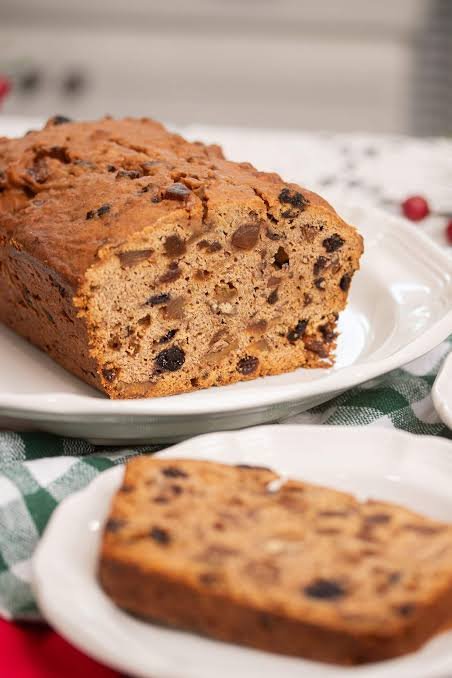
The ultimate sourdough fruit cake recipe is a wonderful blend of traditional baking and old world kitchen wisdom. This traditional baked treat brings together the classic sweetness of dried fruits and warm baking spices with the rich complexity of active sourdough culture. Unlike typical holiday baked goods that rely entirely on commercial yeast or chemical leavening agents like baking powder, this recipe relies on natural wild yeast to build a rich flavor profile and create a moist crumb structure. Baking a sourdough fruit cake allows you to slow down in the kitchen and transform simple ingredients into a special showstopper dessert. If you love baking from scratch and want to try something unique, this recipe will completely change how you view classic fruit cake.
Many people fall in love with this recipe because it solves all the common issues usually associated with old fashioned fruit cake. Traditional fruit cakes often have a bad reputation for being overly dense, dry, or excessively sweet with artificial colorful candied fruits. By using a sourdough starter, you introduce a gentle tanginess that balances out the intense natural sweetness of raisins, dates, and dried berries. The slow fermentation process helps hold moisture inside the cake, keeping it soft and delicious for days or even weeks. Friends and family members who usually skip the dessert table will quickly reach for a second slice once they taste this perfectly balanced and rich sourdough fruit cake.
This recipe is ideal to make when you want to celebrate special moments with loved ones or during cozy family gatherings in the cooler seasons. There is something deeply comforting about waking up early on a weekend morning, feeding your sourdough starter, and mixing together a bowl of warm spices and soaked sweet fruit. The process of making this cake brings a sense of traditional warmth into your home as the sweet aroma fills your entire kitchen while it bakes in the oven. It is also a smart option for conscious eaters who prefer natural fermentation because fermented grains are much easier on the digestive system compared to standard quick bakes.
Making this sourdough fruit cake is a delightful project whether you are an experienced home baker or a complete beginner looking to expand your baking skills. You do not need any fancy tools or rare baking equipment to succeed with this recipe, just standard kitchen mixing tools and a bit of patience. As the cake bakes, the sugars in the dried fruits caramelize alongside the sourdough culture to create a rich dark brown crust and a soft moist interior. Serving a homemade sourdough fruit cake to your guests shows true effort and care, making any afternoon tea, holiday dinner, or quiet weekend treat feel like a memorable celebration.
Ingredients You Will Need
To create this wonderful baked dessert, gather all the fresh ingredients listed below. Using fresh and high quality ingredients will give you the absolute best flavor and texture in your finished cake.
For the Fermented Sourdough Sponge
-
100 grams active sourdough starter, fed and bubbly
-
150 grams all purpose flour or whole wheat flour
-
150 grams warm whole milk or milk alternative
For the Dried Fruit and Spice Mix
-
150 grams dark raisins or sultanas
-
100 grams dried cranberries or dried cherries
-
100 grams chopped pitted dates or dried figs
-
50 grams chopped orange peel or lemon zest
-
100 milliliters orange juice or apple juice for soaking fruits
-
1 tablespoon ground cinnamon
-
1 teaspoon ground ginger
-
half teaspoon ground nutmeg
-
half teaspoon ground cloves
For the Cake Batter
-
150 grams unsalted butter, softened at room temperature
-
150 grams brown sugar or coconut sugar
-
3 large eggs, room temperature
-
150 grams all purpose flour
-
1 teaspoon baking soda
-
half teaspoon fine sea salt
-
1 teaspoon vanilla extract
-
100 grams chopped walnuts or pecans, optional for added crunch
Step by Step Method
Follow these simple instructions to bake your cake from start to finish. Take your time during each stage to ensure your starter ferments properly and your fruit soaks up plenty of moisture.
Step 1: Soaking the Dried Fruit
Begin by preparing your dried fruit mixture at least four hours before baking, or preferably the night before. Combine the raisins, dried cranberries, chopped dates, and citrus peel in a large mixing bowl. Pour the warm orange juice or apple juice directly over the dried fruits and stir well with a spoon. Cover the bowl with a clean cloth or plastic wrap and let the fruits rest at room temperature. Soaking allows the dried fruits to absorb liquid, which prevents them from sucking moisture out of your cake batter while baking in the oven.
Step 2: Preparing the Sourdough Starter Sponge
In a separate large glass or ceramic bowl, prepare your sourdough sponge mixture. Add the active sourdough starter, warm milk, and flour for the sponge. Stir everything together using a wooden spoon until you see no dry flour spots remaining. Cover the bowl loosely with a damp towel and place it in a warm spot in your kitchen for three to four hours. During this resting time, the natural wild yeast will feed on the flour and create a bubbly, light, and airy sponge base for your cake batter.
Step 3: Creaming Butter and Sugar
When your sourdough sponge is bubbly and your fruits are soft, preheat your oven to 160 degrees Celsius or 325 degrees Fahrenheit. Grease a standard nine inch loaf pan or round cake pan with butter and line the bottom with parchment paper. In a large mixing bowl, beat the softened butter and brown sugar together using a hand mixer or a stand mixer. Beat on medium speed for three to five minutes until the butter mixture turns pale, fluffy, and smooth.
Step 4: Adding Eggs and Vanilla Extract
Add the room temperature eggs to the creamed butter and sugar mixture one at a time. Beat well after adding each egg so the mixture stays smooth and does not separate or curdle. Once all three eggs are fully blended into the butter base, pour in the vanilla extract and mix for another thirty seconds. This rich egg and butter base provides essential fat and structure that keeps your sourdough fruit cake moist and flavorful.
Step 5: Combining the Sourdough Sponge with the Batter
Gently scrape your bubbly sourdough sponge into the bowl with the creamed butter and egg mixture. Use a silicone spatula to fold the two mixtures together using smooth, circular movements. Do not use an electric mixer on high speed for this step because you want to preserve the airy bubbles created by the wild sourdough culture. Fold gently until the sponge is evenly distributed throughout the wet batter.
Step 6: Sifting Dry Ingredients and Spices
In a separate medium bowl, whisk together the remaining flour, baking soda, fine sea salt, ground cinnamon, ground ginger, ground nutmeg, and ground cloves. Sift these dry ingredients directly into the wet sourdough batter bowl. Using your spatula, fold the dry ingredients into the wet mixture just until the flour disappears. Be careful not to overmix the batter at this stage, as overmixing can cause the cake to turn tough instead of tender.
Step 7: Folding in Soaked Fruits and Nuts
Retrieve your bowl of soaked dried fruits, which should now be plump and juicy. Dump the soaked fruits along with any remaining liquid left in the bowl straight into your cake batter. If you are using chopped walnuts or pecans for extra texture, add them into the bowl at this time as well. Fold everything together with your spatula until the fruits and nuts are evenly distributed from top to bottom throughout the entire batter.
Step 8: Pouring Batter into the Pan
Pour your finished sourdough fruit cake batter into your prepared greased loaf pan or round cake pan. Use the back of a spoon or your spatula to smooth out the top surface of the batter so it bakes evenly in the oven. Tap the filled pan gently on your kitchen counter two or three times to release any large trapped air bubbles inside the batter.
Step 9: Baking the Fruit Cake
Place your cake pan on the middle rack of your preheated oven. Bake at 160 degrees Celsius or 325 degrees Fahrenheit for approximately 60 to 75 minutes. Because sourdough fruit cakes are thick and dense, baking them low and slow ensures the center cooks completely without burning the outer edges. Check the cake after 50 minutes, and if the top looks like it is browning too quickly, cover the top loosely with a piece of aluminum foil.
Step 10: Testing for Doneness and Cooling
To test if your sourdough fruit cake is fully baked, insert a clean wooden toothpick or skewer straight into the thickest center part of the cake. If the toothpick comes out clean or with just a few moist crumbs attached, your cake is done. Remove the pan from the oven and place it on a wire cooling rack to rest for twenty minutes. After twenty minutes, run a butter knife around the inside edges of the pan, turn the cake out onto the rack, remove the parchment paper, and let it cool completely before slicing.
Why This Recipe Is Special
This sourdough fruit cake stands apart from almost every other holiday cake recipe you will find. The most remarkable feature of this recipe is how the natural sourdough fermentation elevates both flavor and health benefits. Traditional fruit cakes often feel heavy on the stomach because of raw unfermented grains and heavy refined sugars. The natural enzymes in sourdough break down gluten proteins and phytic acid during the resting stage, making the final cake much easier to digest while allowing your body to absorb more nutrients from the flour.
Another reason this recipe is so special is its incredible balance of deep flavors. Regular fruit cakes can taste overly sweet, almost like pure sugar syrup. The natural lactic acid produced by the active sourdough starter adds a subtle background tang that cuts right through the sweet notes of raisins and dates. This pleasant contrast creates a rich flavor profile that tastes sophisticated and well rounded. The spices like cinnamon and nutmeg merge beautifully with the tangy sourdough notes, producing a warm and aromatic taste experience in every bite.
Lastly, the shelf life and texture of this sourdough fruit cake are truly unmatched. Sourdough acts as a natural preservative because of its organic acids, meaning this cake stays fresh and soft for a long time without adding artificial chemical preservatives. Instead of drying out after two days like standard cakes, this sourdough version actually improves in flavor after sitting wrapped tightly for a day or two. The moist crumb holds together beautifully when sliced, so you do not have to worry about your cake crumbling into pieces as you serve it to your family.
Extra Tips for Better Taste
To make your sourdough fruit cake taste even more amazing, you can try several creative kitchen tricks. One great tip is to feed your sourdough starter with whole rye flour or whole wheat flour right before using it for this recipe. Rye flour adds an earthy nuttiness to the starter that pairs exceptionally well with dark fruits like dates, figs, and raisins.
Another fantastic idea is to soak your dried fruits in warm spiced tea instead of fruit juice. Brew a strong cup of dark black tea or chai tea, add a spoonful of honey, and let your dried fruits sit in the warm liquid overnight. The tannins in black tea deepen the natural fruit flavors and add an extra layer of warmth to the entire dessert without adding any unwanted refined sugar.
If you like rich textures, try roasting your walnuts or pecans in a dry skillet for three to four minutes before adding them into your cake batter. Toasting nuts releases their natural oils, making them far more aromatic and crunchy. The crunchy toasted nuts create a wonderful contrast against the soft fermented crumb and plump soaked fruits inside the cake.
For people who enjoy aged fruit cakes, you can wrap your completely cooled sourdough fruit cake in parchment paper and then tightly in aluminum foil. Store the wrapped cake in a cool, dark cupboard for three to five days before slicing into it. During these few days of aging, the moisture spreads evenly throughout the cake, allowing the tangy sourdough notes and sweet fruit flavors to meld together into an even more delicious treat.
If you want to add a beautiful finish to the top of your cake, brush the top crust with a thin layer of warm honey or warm apricot jam right after taking it out of the oven. This creates a shiny glaze that looks beautiful and adds a pleasant sticky sweetness to the outer crust. You can also press a few extra whole almonds or pecan halves onto the top of the batter right before placing the pan into the oven for an attractive bakery style look.
Final Thoughts
Baking a homemade sourdough fruit cake is a deeply rewarding experience that turns simple pantry ingredients into something extraordinary. This recipe combines the comforting sweetness of dried fruits and spices with the healthful benefits and unique flavor of wild sourdough fermentation. Whether you are baking for a holiday gathering, sharing a sweet snack with close friends, or simply using up extra sourdough starter from your kitchen counter, this cake is sure to bring joy to your home. Take your time, enjoy the process of mixing and baking, and savor every bite of this unique homemade cake.
Nutrition Details
Below you will find the estimated nutrition values for this delicious sourdough fruit cake recipe. The numbers provided below represent the nutritional breakdown per serving, assuming the whole cake is divided evenly into twelve equal slices. Keep in mind that exact nutrition values may vary slightly depending on the specific brands of butter, fruit, and flour you choose to use in your kitchen.
| Nutritional Component | Amount Per Serving | Percentage of Daily Value |
| Calories | 310 kcal | 15 percent |
| Total Fat | 12 grams | 15 percent |
| Saturated Fat | 6 grams | 30 percent |
| Trans Fat | 0 grams | 0 percent |
| Cholesterol | 55 milligrams | 18 percent |
| Sodium | 180 milligrams | 8 percent |
| Total Carbohydrates | 48 grams | 17 percent |
| Dietary Fiber | 3 grams | 11 percent |
| Total Sugars | 28 grams | Not Established |
| Protein | 5 grams | 10 percent |
| Vitamin D | 0.3 micrograms | 2 percent |
| Calcium | 45 milligrams | 4 percent |
| Iron | 1.8 milligrams | 10 percent |
| Potassium | 260 milligrams | 6 percent |
Disclaimer
The health and nutrition information provided in this article is meant for general educational and informational purposes only. Everyone has a different body, unique dietary needs, and distinct digestive systems, which means individual results and tolerance to fermented foods like sourdough may vary from person to person. While naturally fermented sourdough is generally considered easier to digest than standard baked goods, people with severe gluten sensitivities, wheat allergies, or celiac disease should exercise caution and consult with a qualified health professional before consuming this cake. Always double check your ingredients for potential personal allergens such as tree nuts or citrus products before you begin preparing this recipe in your kitchen.