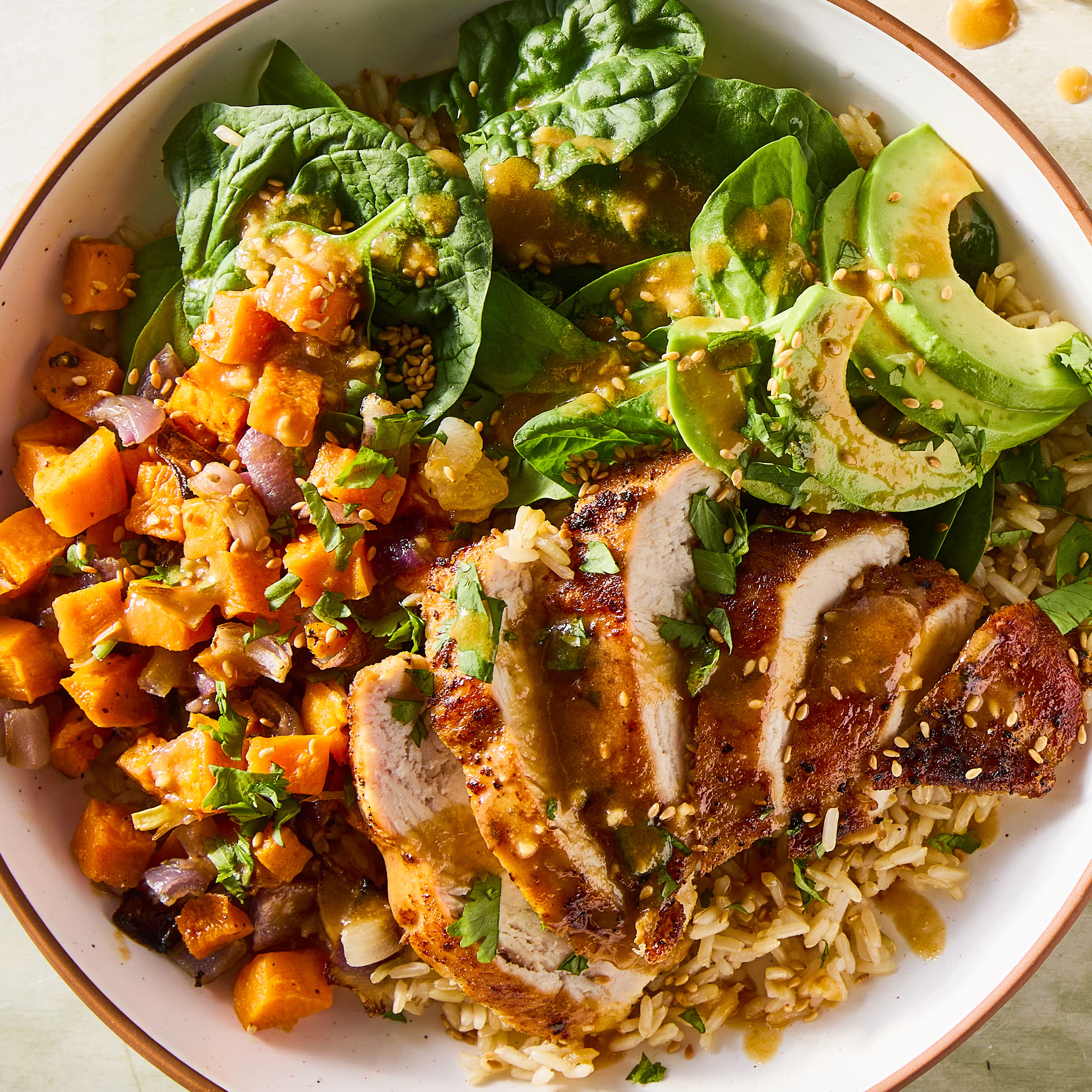
This incredible high protein chicken peanut salad bowl recipe is a absolute game changer for anyone who wants to enjoy a fresh, crunchy, and savory meal that keeps you full for hours. At its core, this dish brings together juicy grilled chicken breast, a colorful mix of crisp fresh vegetables, and a rich, velvety peanut dressing that ties every single element together seamlessly. Salad recipes often get a bad reputation for being boring or leaving you hungry an hour after finishing your plate, but this recipe completely flips that script by prioritizing high quality protein, healthy fats, and satisfying fiber. Every single forkful gives you an incredible combination of crisp textures, bright colors, and vibrant flavor that feels like a dish from a high end restaurant right in the comfort of your home kitchen. By focusing on fresh whole foods, this meal provides a balanced spread of essential vitamins, minerals, and clean energy without relying on heavy processed creams or artificial flavorings.
People all over the world love this salad bowl because it delivers a perfect harmony between rich comfort food flavors and light, refreshing health food ingredients. The rich peanut butter dressing has a silky smooth consistency with a balanced blend of nutty goodness, subtle sweetness, and a tangy kick of citrus that instantly wakes up your taste buds. Furthermore, the combination of tender chicken with crisp cabbage, sweet shredded carrots, fresh cucumbers, and crunchy roasted peanuts ensures that every mouthful offers a satisfying crunch that makes eating healthy feel like a genuine treat. It is also an amazingly flexible dish that adapts well to your personal tastes and ingredient availability, allowing you to swap vegetables or modify the spice level without losing any of the foundational taste. Busy families, working professionals, and food lovers adore this meal because it can be prepared quickly without needing complex kitchen gadgets or advanced culinary skills.
There are so many wonderful reasons and special occasions to prepare this colorful meal, whether you are fueling your body after an intense workout or simply treating yourself to a wholesome lunch. From a fitness perspective, this salad bowl is an absolute powerhouse for muscle recovery and fat loss because it delivers a massive dose of lean protein alongside complex nutrients that stabilize blood sugar levels throughout the afternoon. Emotionally, enjoying a bright bowl packed with natural colors and lively flavors lifts your mood and satisfies deep comfort food cravings in a clean, nourishing way. It serves as an ideal meal prep candidate for busy work weeks because the hearty vegetables stay crisp in the refrigerator, and the rich peanut dressing can be stored separately to keep everything fresh and delicious for several days. Whether you are hosting a casual summer lunch with close friends or packing a nutritious lunchbox for a long day at the office, this recipe brings excitement back into your daily eating habits.
If you are just beginning your cooking journey, this recipe offers a stress free and deeply satisfying way to learn how to layer textures and balance complex flavors effectively. Learning how to cook healthy meals at home is one of the best habits you can build for long term health, and this simple salad bowl makes the process totally accessible and fun. You do not need years of culinary experience to assemble these gorgeous ingredients into a colorful, photo worthy bowl that looks as amazing as it tastes. As you practice making the peanut dressing, you will quickly discover how easy it is to create rich flavor profiles using basic pantry staples that cost much less than restaurant takeaway options. Eating nutritious food should always bring joy, vibrancy, and deep physical satisfaction to your routine, and this high protein chicken peanut bowl hits every single one of those goals effortlessly.
Ingredients You Will Need
To assemble this high protein meal, gather all the fresh vegetables, lean proteins, and pantry staples listed below.
For the Chicken Base
- 2 large boneless skinless chicken breasts, about 1 pound total weight
- 1 tablespoon of olive oil or avocado oil
- 1 teaspoon of garlic powder
- 1 teaspoon of onion powder
- 1 half teaspoon of salt
- 1 half teaspoon of freshly cracked black pepper
For the Crisp Salad Base
- 2 cups of red cabbage, thinly shredded
- 2 cups of green cabbage, thinly shredded
- 1 large carrot, peeled and grated into long thin ribbons
- 1 medium English cucumber, diced into small quarter moons
- 1 red bell pepper, thinly sliced into long strips
- 3 green onions, chopped into small thin rings
- 1 half cup of fresh cilantro leaves, coarsely chopped
- 1 third cup of unsalted roasted peanuts, roughly chopped for topping
For the Creamy Peanut Dressing
- 1 third cup of smooth natural peanut butter
- 2 tablespoons of low sodium soy sauce or coconut aminos
- 1 tablespoon of pure maple syrup or honey
- 1 tablespoon of fresh lime juice
- 1 teaspoon of toasted sesame oil
- 1 teaspoon of fresh ginger, finely grated
- 1 clove of garlic, minced very finely
- 3 to 4 tablespoons of warm water to reach desired consistency
Step by Step Method
Follow these easy step by step instructions to cook the chicken, prepare the colorful vegetables, blend the peanut dressing, and assemble your salad bowl.
Step 1 Season and Cook the Chicken Breasts
Start by placing your chicken breasts on a clean cutting board. Pat them dry with paper towels so the seasoning sticks well. Sprinkle the garlic powder, onion powder, salt, and black pepper evenly over both sides of the meat. Heat one tablespoon of olive oil in a large skillet over medium high heat. Once the oil is hot, carefully add the chicken breasts to the pan. Cook for about 6 to 8 minutes on the first side without moving them so they form a nice golden crust. Flip the chicken over and cook for another 6 to 8 minutes until the internal temperature reaches 165 degrees Fahrenheit. Remove the chicken from the skillet and let it rest on a cutting board for 5 minutes so the juices settle inside.
Step 2 Prepare All Fresh Salad Vegetables
While the cooked chicken is resting, prepare all of your fresh vegetables on a clean cutting board. Shred the red cabbage and green cabbage using a sharp knife or a mandoline slicer until you have fine, thin ribbons. Peel your carrot and shred it using a box grater. Slice your cucumber in half lengthways, then cut it into thin quarter moon pieces. Cut the red bell pepper into thin strips, chop the green onions into small rings, and roughly chop the fresh cilantro leaves. Place all these prepared vegetables into a large mixing bowl so they are ready to combine.
Step 3 Whisk Together the Creamy Peanut Dressing
In a medium mixing bowl, combine the smooth natural peanut butter, low sodium soy sauce, pure maple syrup, fresh lime juice, toasted sesame oil, grated fresh ginger, and minced garlic. Whisk the ingredients together using a fork or a small wire whisk. The mixture will look thick and pasty at first, which is completely normal. Add warm water one tablespoon at a time while continuing to whisk vigorously until the dressing becomes completely smooth, creamy, and pourable. Taste the dressing and adjust with a tiny bit more lime juice for tartness or maple syrup for sweetness according to your personal preference.
Step 4 Slice the Chicken and Assemble the Salad
Slice your rested chicken breasts into thin bite size strips or neat cubes using a sharp knife. Add the cooked chicken directly into the large bowl containing your shredded cabbage, carrots, cucumbers, bell peppers, green onions, and fresh cilantro. Toss the salad ingredients gently using two large spoons or tongs so everything is distributed evenly throughout the bowl.
Step 5 Add Dressing and Finishing Touches
Drizzle the rich peanut dressing generously over the top of the chicken and salad mix. Toss everything together one final time until every piece of vegetable and chicken is lightly coated in the delicious sauce. Divide the mixture into individual serving bowls. Sprinkle the roughly chopped roasted peanuts over the top of each bowl to add an extra layer of crunch and rich nutty flavor. Serve immediately while fresh and cool.
Why This Recipe Is Special
This high protein chicken peanut salad bowl is truly special because it redefines what a healthy salad can be by combining optimal physical nutrition with bold, exciting flavors. Many traditional salads lack enough protein or healthy fats, which leaves you feeling empty, tired, and tempted to reach for unhealthy snacks shortly after finishing your meal. This recipe solves that problem completely by packing over forty grams of clean protein into a single serving along with rich, satisfying fats from natural peanut butter and roasted peanuts. The combination of protein and wholesome fats keeps your digestion steady and helps maintain your energy levels throughout long, busy days.
From a health standpoint, this bowl is an incredible source of dietary fiber, vitamins, and protective antioxidants. Red cabbage and green cabbage are packed with compounds that support digestive health and lower inflammation in the body, while carrots and red bell peppers supply high amounts of vitamin A and vitamin C for immune system strength. Furthermore, using fresh garlic, real ginger, and pure citrus juice in the homemade dressing provides natural anti inflammatory benefits without adding artificial preservatives, refined sugars, or hidden processing chemicals found in store bought dressings.
The taste profile is another reason this recipe stands out from basic meal prep options. It strikes a remarkable balance between savory, sweet, tangy, and nutty notes while providing an amazing range of crisp textures in every single bite. The warmth of freshly cooked chicken paired with the cool crunch of raw vegetables and the velvety smoothness of peanut sauce creates a memorable sensory experience that makes eating nutritious whole foods an absolute joy every day.
Extra Tips for Better Taste
- Toast your unsalted peanuts in a dry skillet over medium heat for 3 to 4 minutes until golden brown to unleash a much deeper, richer nutty aroma.
- Add a tablespoon of sriracha sauce or red pepper flakes to the peanut dressing if you enjoy a spicy kick that cuts through the rich peanut butter flavor.
- Use rotisserie chicken from the grocery store as a quick shortcut on busy nights to reduce your total preparation time to under fifteen minutes.
- Keep the peanut dressing in a separate small glass jar until right before eating if you are preparing these salad bowls for weekday lunches so the cabbage remains perfectly crunchy.
- Add fresh edamame beans or cooked quinoa into the salad mix if you want to boost the overall complex carbohydrate and protein content even higher for heavy training days.
Final Thoughts
Adopting a healthy lifestyle never means you have to compromise on taste, satisfaction, or food enjoyment. This high protein chicken peanut salad bowl brings together vibrant whole food ingredients, effortless cooking techniques, and rich, irresistible flavors that nourish your body while delighting your senses. Whether you are aiming to build muscle, manage your weight, or simply eat more fresh vegetables every day, this simple recipe makes achieving your health goals accessible and delicious. Try preparing this bright, crunchy bowl for your next meal prep session, share it with your loved ones, and experience how amazing healthy eating can truly feel.
Nutrition Details
Here is the estimated nutritional breakdown for this entire recipe as well as per individual serving portion. This recipe yields two large meal sized servings.
Overall Recipe Nutrition Table
| Nutritional Metric | Entire Recipe Total | Per Serving Portion |
|---|---|---|
| Calories | 1180 kcal | 590 kcal |
| Protein | 92 grams | 46 grams |
| Total Carbohydrates | 58 grams | 29 grams |
| Dietary Fiber | 14 grams | 7 grams |
| Sugars | 26 grams | 13 grams |
| Total Fat | 62 grams | 31 grams |
| Saturated Fat | 10 grams | 5 grams |
| Sodium | 1120 milligrams | 560 milligrams |
Disclaimer
Please keep in mind that the nutrition figures shown above are estimates calculated using standard ingredient databases. Individual dietary needs, metabolic rates, and actual health outcomes will vary from person to person depending on age, activity level, and specific brands or ingredient substitutions used. Always consult with a qualified medical professional or registered dietitian before making significant changes to your daily nutrition strategy.