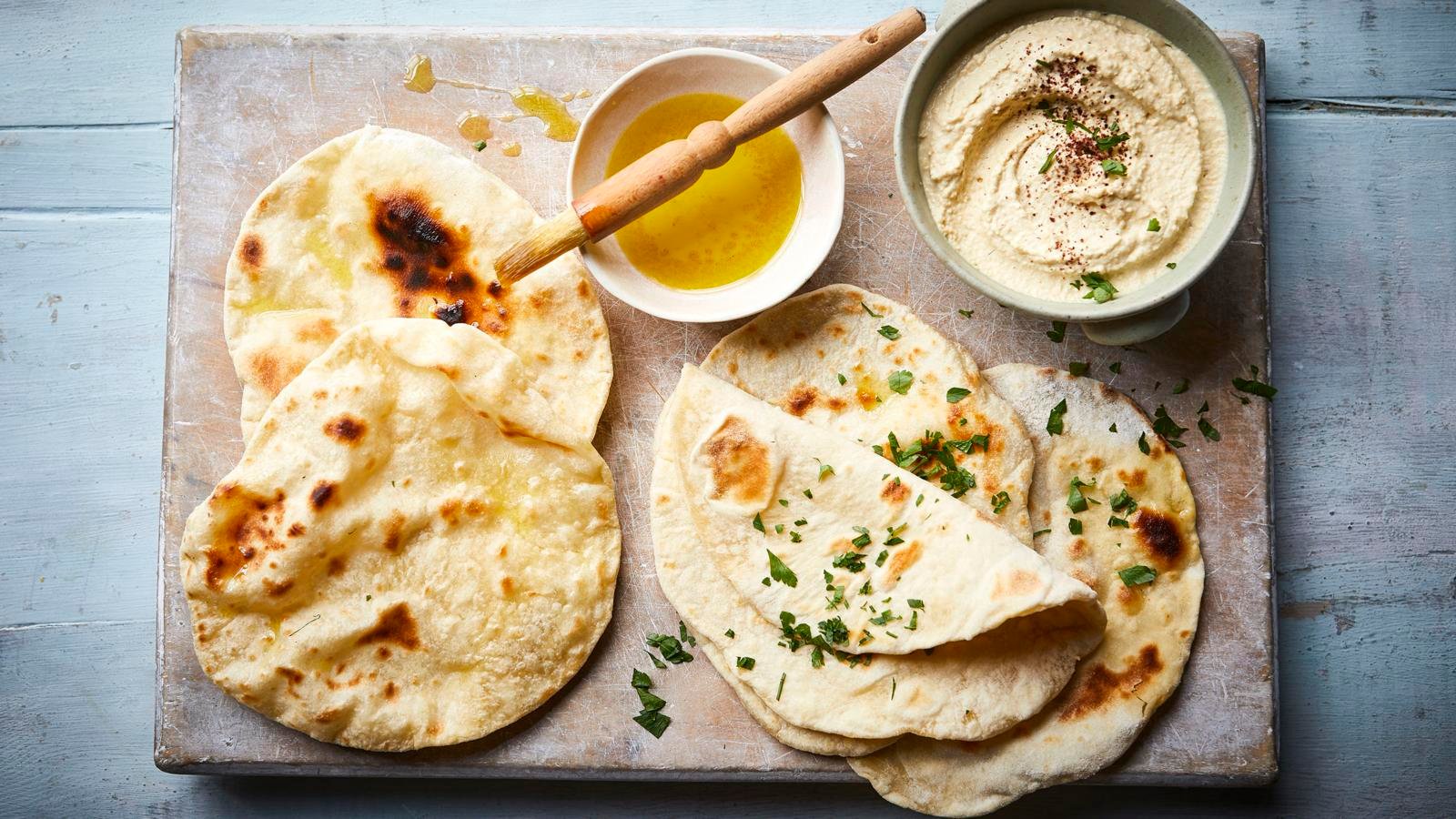
Making homemade flatbread is one of the easiest and most satisfying things you can do in your kitchen. This simple flatbread recipe brings you soft, warm, and flexible bread without needing any yeast, fancy equipment, or long waiting hours. When you make bread from scratch, you gain complete control over every single ingredient that enters your body. Many commercial store bought breads contain hidden preservatives, extra artificial flavors, and added chemicals to keep them shelf stable for weeks. By baking your own flatbread at home, you create a fresh alternative that smells amazing, tastes clean, and offers pure comforting warmth with every bite. The dough comes together using basic pantry staples that you almost certainly already have sitting in your kitchen cabinets right now. Whether you are an absolute beginner or an experienced home cook looking for a fast bread option, this recipe will never fail you.
People absolutely love flatbread because it offers unmatched versatility and incredible texture that pairs well with almost any meal. Traditional yeast breads require hours of proofing, active kneading, and precise temperature control, which can feel quite intimidating if you are just starting your baking journey. In contrast, flatbread offers instant gratification because you can go from raw raw ingredients to hot cooked bread in under thirty minutes total. The texture strikes a perfect balance between soft, pillowy interiors and lightly toasted golden spots on the outside. Every piece can be folded, rolled, or ripped into pieces to scoop up rich sauces, thick soups, or spicy curries. The simple flavor profile allows it to complement bold garlic spreads, fresh herbal dips, or sweet toppings without overpowering them. It brings a comforting, rustic touch to your dining table that factory made bread simply cannot replicate.
There are so many wonderful occasions and reasons to make this recipe for yourself, your family, and your close friends. On busy weeknights when you realize you have completely run out of sandwich bread, this fast flatbread saves you a sudden trip to the grocery store. It carries deep emotional warmth because the simple act of kneading smooth dough and rolling out round circles serves as a relaxing, therapeutic ritual after a stressful day. For those who focus on personal health and fitness, making flatbread at home allows you to adjust your healthy fats, control your salt levels, and swap white flour for whole grains if you prefer extra fiber. Kids also love helping out in the kitchen during the rolling process because the dough is soft, forgiving, and fun to shape. Serving warm bread straight off a hot skillet instantly transforms a basic routine meal into a cozy, memorable dining experience.
Mastering this flatbread method unlocks endless menu possibilities for breakfast, quick lunches, and hearty dinners throughout your week. You can use these soft flatbreads as quick pizza bases for movie nights, sturdy wraps for your favorite fresh lunch vegetables, or soft pita style pockets for grilled proteins. Because the ingredients are so simple, you can easily double or triple the whole batch when hosting a weekend dinner party. Guests will always appreciate the effort of fresh bread, even though it took you very little time to prepare behind the scenes. Leftover pieces reheat effortlessly in a dry pan, returning to their original soft state within just a few seconds. Once you realize how quick, affordable, and delicious homemade flatbread is, you will rarely feel the need to buy prepackaged flatbread from the store again.
Ingredients You Will Need
To create these perfectly soft flatbreads, gather the following simple ingredients with exact quantities:
-
All purpose flour: 2 cups (240 grams)
-
Baking powder: 1 teaspoon (5 grams)
-
Salt: 1/2 teaspoon (3 grams)
-
Plain Greek yogurt or sour cream: 3/4 cup (180 grams)
-
Warm water: 1/4 cup (60 milliliters), added slowly as needed
-
Olive oil or melted butter: 2 tablespoons (30 milliliters) for dough, plus 1 extra tablespoon for brushing
Step by Step Method
Step 1: Mixing the Dry Ingredients
Take a large mixing bowl and make sure it is completely clean and dry. Pour in two cups of all purpose flour, one teaspoon of baking powder, and half a teaspoon of salt. Use a whisk or a fork to stir these dry ingredients together thoroughly for about thirty seconds. This step distributes the baking powder evenly throughout the flour so your flatbreads rise uniformly while cooking.
Step 2: Adding the Wet Ingredients
Add three fourths of a cup of plain Greek yogurt and two tablespoons of olive oil directly into the center of your dry flour mixture. Use a wooden spoon or a sturdy spatula to stir everything together gently. As you mix, small shaggy clumps of dough will start to form inside the bowl.
Step 3: Forming the Dough
Slowly pour in a small splash of warm water while continuing to mix. Start with just two tablespoons of water and add more only if the mixture feels dry. Use your clean hands to press the dough together inside the bowl until it pulls away from the sides and forms a soft, single ball. The dough should feel soft and slightly sticky, but it should not stick heavily to your fingers.
Step 4: Kneading on the Countertop
Dust a flat, clean kitchen countertop or large cutting board with a small amount of extra flour. Transfer your dough ball onto the floured surface. Knead the dough gently using the palms of your hands by pressing forward and folding it back over itself. Continue kneading for about three to five minutes until the dough becomes noticeably smooth, soft, and elastic.
Step 5: Resting the Dough
Shape the smooth dough into a round ball and place it back inside your mixing bowl. Cover the bowl tightly with a clean kitchen towel or a sheet of plastic wrap. Allow the dough to rest at room temperature for fifteen to twenty minutes. Resting allows the gluten inside the flour to relax, which makes rolling out the flatbreads much easier later without the dough springing back.
Step 6: Portioning the Dough
After resting, place the soft dough back onto your floured work surface. Use a sharp knife or a dough scraper to cut the dough into six equal pieces. Roll each small piece between the palms of your hands to create six smooth, round dough balls. Keep the unused balls covered under a damp towel while you work on rolling individual pieces so they do not dry out.
Step 7: Rolling Out the Flatbreads
Take one dough ball and press it flat with your hand on the floured surface. Dust your rolling pin with a little flour. Roll the dough outward from the center into a thin circle, turning it occasionally so it does not stick. Aim for a circle that is about six to seven inches wide and roughly one eighth of an inch thick. Repeat this process for all dough balls.
Step 8: Cooking on the Hot Pan
Place a heavy skillet, cast iron pan, or non stick frying pan over medium high heat and let it get thoroughly hot for two minutes. Place one rolled flatbread directly onto the dry, hot pan surface without oil. Cook for about one to two minutes until small bubbles begin to puff up on top and dark golden spots appear on the bottom.
Step 9: Flipping and Brushing
Flip the flatbread over to the second side using a spatula. Cook for another one to two minutes until golden brown spots form underneath. Lightly brush the top side with a tiny bit of melted butter or olive oil while it finishes cooking. Transfer the hot flatbread to a plate and cover it with a warm cloth to keep it soft while you cook the remaining pieces.
Why This Recipe Is Special
This flatbread recipe stands out because it combines incredible convenience with great nutritional benefits and mouthwatering flavor. Unlike traditional recipes that require hours of yeast fermentation, this method relies on Greek yogurt and baking powder for a fast, tender result. The active cultures and protein in Greek yogurt create an amazingly soft crumb structure while adding a subtle, pleasant tang that tastes like artisan bakery bread.
From a health perspective, making your own flatbread gives you complete command over your nutrition. Commercial versions often hide high levels of sodium, vegetable oils, and artificial preservatives to extend shelf life. This home recipe uses clean, simple ingredients that keep your digestion happy and light. By using Greek yogurt, you add a boost of natural protein and calcium, making these flatbreads much more satisfying and nourishing than standard white bread.
The taste and texture profile is simply unbeatable for the minimal effort involved. Cooked over high heat in a dry skillet, the flatbread develops beautiful charred spots that deliver a rich, smoky flavor similar to traditional clay oven naan. The interior remains delightfully soft, flexible, and chewy, making it strong enough to hold heavy sandwich fillings without cracking or tearing apart.
Extra Tips for Better Taste
-
Garlic Herb Butter: Melt two tablespoons of butter and mix in one crushed garlic clove along with chopped fresh parsley. Brush this mixture onto the hot flatbreads immediately after cooking for an incredible garlic bread flavor.
-
Keep Them Covered: Always stack cooked flatbreads on a plate and cover them immediately with a clean, thick kitchen towel. The trapped steam softens the crusts and ensures your flatbreads stay super pliable.
-
Cheese Stuffed Version: Sprinkle a small handful of shredded mozzarella or cheddar cheese in the center of a rolled dough circle, fold the edges over to seal it completely, and roll it flat again before cooking.
-
Whole Wheat Blend: Substitute half of the all purpose flour with whole wheat flour for an extra dose of dietary fiber, giving the flatbread a rich, nutty taste.
-
Spice Infusion: Add half a teaspoon of cumin seeds, dried oregano, or chili flakes directly into the dry flour mixture for a subtle burst of savory flavor inside the bread itself.
-
Reheating Leftovers: Reheat cool flatbreads in a dry skillet over medium heat for thirty seconds on each side, or wrap them in a damp paper towel and microwave for ten seconds to restore maximum softness.
Final Thoughts
Making warm, tender flatbread at home is a wonderful skill that brings immediate rewards to your kitchen routine. With just a handful of basic ingredients and thirty minutes of time, you can elevate any simple meal into something truly special. Once you experience the comforting aroma and fresh taste of bread cooked right on your stove, you will love making this easy recipe again and again. Gather your flour, light up your stove, and enjoy the simple pleasure of homemade baking today.
Nutrition Details
Here is the estimated nutritional breakdown for one flatbread serving based on a yield of six pieces:
| Nutritional Component | Amount Per Serving |
| Calories | 195 kcal |
| Total Carbohydrates | 31 grams |
| Dietary Fiber | 1 gram |
| Sugars | 1.5 grams |
| Protein | 6 grams |
| Total Fat | 5 grams |
| Saturated Fat | 1 gram |
| Sodium | 240 milligrams |
| Calcium | 65 milligrams |
Disclaimer
This recipe and its nutrition details are provided for general educational and cooking purposes only. Individual nutritional needs, dietary requirements, and health conditions vary from person to person. Cooking results may change slightly depending on the exact brands of flour, yogurt, and cooking tools used in your kitchen. If you have specific dietary restrictions, allergies, or medical health concerns, please consult with a qualified doctor or registered nutritionist for personalized advice.