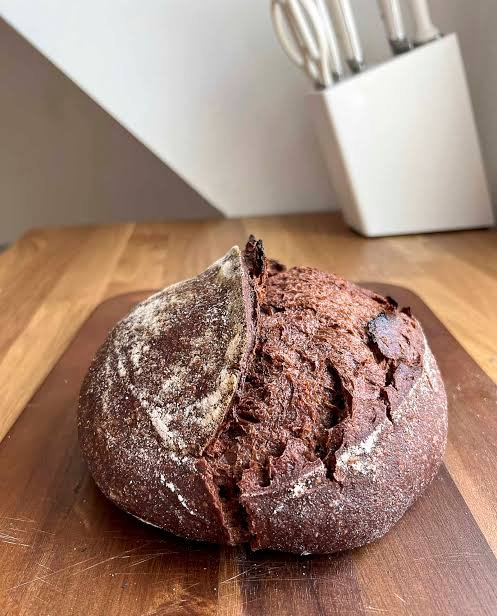
Chocolate Sourdough Bread brings together two of the best food experiences into one beautiful homemade loaf. It combines the deep flavor of traditional naturally fermented dough with the rich taste of cocoa powder and dark chocolate chunks. Many people think that sourdough is strictly meant for savory meals like sandwiches or dinner bread, but adding sweet elements creates an amazing balance. The natural tanginess created by wild yeast and friendly bacteria works perfectly with the mild bitterness of pure cocoa. This unique combination creates a soft texture on the inside and a crisp crust on the outside. When you bake this bread at home, your entire kitchen fills with a cozy aroma that feels warm and inviting for anyone who walks through the door.
People fall in love with this special loaf because it gives them a bakery quality treat made directly in their own kitchen. The contrast of textures makes every single bite interesting and enjoyable. You get a light crunch from the crust, followed by a tender crumb filled with warm melted chocolate pieces. Unlike regular store bought sweet breads that rely on high amounts of refined sugar and artificial flavors, this recipe lets natural fermentation do most of the work. The flavor develops slowly over time, giving the bread a complex taste profile that feels very high quality. It satisfies sweet cravings without feeling overly heavy or sickly sweet, which makes it popular among adults and children alike.
There are so many wonderful reasons and moments to prepare this comforting recipe for your family or friends. It is an amazing choice for lazy weekend mornings when you want to treat yourself to a special breakfast alongside a warm cup of coffee or tea. It also serves as a great centerpiece for festive family gatherings, holiday brunches, or afternoon snack times. Beyond the amazing taste, many people find the process of making sourdough very peaceful and rewarding for their mental well-being. Spending time mixing, folding, and watching the dough rise helps you slow down and focus on a practical kitchen creation. It gives you a sense of pride when you take a gorgeous, dark brown loaf out of your oven.
For those who pay attention to their daily nutrition and fitness goals, this bread offers a clever way to enjoy a sweet food. Sourdough undergoes a long fermentation process that breaks down some of the gluten and phytic acid found in grain flour. This natural breakdown process makes the bread much easier on your digestive system compared to quick rise commercial yeast breads. You get the real joy of eating rich chocolate while still giving your body simple ingredients and fermented goodness. It fits nicely into a balanced lifestyle where you want to enjoy delicious meals without feeling heavy or uncomfortable afterward. Making this recipe allows you to control exactly what goes into your food while creating something truly memorable.
Ingredients You Will Need
To bake this delicious loaf, gather all your ingredients beforehand so the process goes smoothly. Using exact weight measurements with a digital scale will give you the best and most consistent results.
-
Active Sourdough Starter: 100 grams (bubbly and fed within 4 to 8 hours)
-
Bread Flour: 350 grams (high protein flour gives the best structure)
-
Unsweetened Cocoa Powder: 40 grams (good quality cocoa powder gives deep flavor)
-
Warm Water: 260 grams (filtered water works best)
-
Brown Sugar or Honey: 30 grams (adds mild sweetness to balance the cocoa)
-
Fine Salt: 8 grams (enhances all the chocolate and sourdough flavors)
-
Dark Chocolate Chunks or Chips: 100 grams (use semi sweet or dark chocolate)
Step by Step Method
Making sourdough requires patience, but the steps themselves are simple when you follow them one by one. Take your time and enjoy each stage of the process.
Mixing the Dough
Start by taking a large glass or ceramic mixing bowl. Pour in the warm water and add your active sourdough starter along with the brown sugar or honey. Use a whisk or a wooden spoon to stir everything together until the starter completely dissolves into the liquid. Next, add the bread flour and the unsweetened cocoa powder to the bowl. Mix thoroughly with your hands or a sturdy spoon until all the dry flour disappears and a shaggy dough forms. Cover the bowl with a damp cloth or plastic wrap and let it sit undisturbed for 30 minutes. This resting period is called autolyse, and it allows the flour to absorb the water properly.
Adding Salt and Kneading
After the 30 minute rest, sprinkle the fine salt evenly over the top of your dough. Wet your hands with a little bit of clean water to stop the dough from sticking to your fingers. Gently grab one side of the dough, stretch it upward without tearing it, and fold it over into the center. Turn the bowl a quarter turn and repeat this stretch and fold action. Keep doing this around the bowl for about two to three minutes until the salt is fully mixed into the dough and the texture feels slightly smoother. Cover the bowl again and let it rest for 30 minutes.
Stretch and Fold Cycles
To build strength in your dough without heavy kneading, you will perform four sets of stretch and folds spaced 30 minutes apart. During the third set of folds, evenly scatter your dark chocolate chunks over the dough. As you stretch and fold the dough over itself, the chocolate pieces will get trapped inside and distributed evenly throughout the loaf. After completing all four sets over two hours, cover the bowl and let the dough sit on your counter at room temperature for the main rise. This bulk fermentation phase usually takes between 3 to 5 hours, depending on how warm your kitchen is, until the dough looks puffy and increases in size by about 50 percent.
Shaping the Loaf
Gently tip the fermented dough onto a clean surface lightly dusted with a bit of cocoa powder or flour. Do not deflate the air bubbles roughly. Gently stretch the dough into a rough rectangle, then fold the top down to the middle and bring the bottom up over it. Roll the dough from one side to the other to form a tight round ball. Use your hands to drag the ball toward yourself across the counter to build surface tension on top of the dough. Let this shaped ball rest on your counter for 15 minutes.
Final Rise and Cold Proofing
Lightly dust a proofing basket or a round bowl lined with a clean kitchen towel using rice flour or regular flour. Lift your shaped dough ball carefully and place it upside down into the prepared basket so the smooth top rests at the bottom. Cover the basket with a plastic cover or clean bag. For the best flavor and structure, place the basket into your refrigerator for 8 to 12 hours overnight. Cold proofing slows down the yeast, lets the sourdough flavor develop fully, and makes the dough much easier to score before baking.
Scoring and Baking
Place a Dutch oven with its lid on inside your oven and preheat it to 230 degrees Celsius or 450 degrees Fahrenheit for at least 45 minutes so it becomes extremely hot. Carefully remove your cold dough from the refrigerator and flip it onto a sheet of parchment paper. Use a sharp razor blade or a sharp knife to make a swift cut about half an inch deep across the top of the loaf. This score allows steam to escape so the bread rises high in the oven.
Carefully lift the parchment paper with the dough and place it into the hot Dutch oven. Put the lid on and bake for 20 minutes with the cover attached to trap steam. Then, remove the lid carefully, lower the oven temperature to 200 degrees Celsius or 400 degrees Fahrenheit, and bake for another 20 to 25 minutes. The crust should look deep brown, and the loaf should sound hollow when tapped on the bottom. Transfer the baked bread to a wire rack and allow it to cool completely for at least two hours before slicing into it.
Why This Recipe Is Special
This chocolate sourdough recipe stands out because it offers a delightful balance between deep cocoa flavor and mild sourdough tang. The long fermentation process breaks down complex starches and gluten proteins, making it easier to digest than fast baked treats. It also avoids excessive artificial additives or preservatives often found in bakery sweets.
The inclusion of dark chocolate chips provides antioxidants while giving you a rich taste without overloading the bread with excessive white sugar. It is a fantastic option for anyone who wants a satisfying homemade snack that feels luxurious yet stays grounded in wholesome baking principles.
Extra Tips for Better Taste
To make your chocolate sourdough loaf taste even more incredible, try using high quality Dutch processed cocoa powder for a darker color and smoother flavor profile. You can also mix different types of chocolate, such as combining dark chocolate with milk chocolate or white chocolate chips for fun visual contrast inside the crumb.
Adding a small pinch of instant espresso powder to the dry flour will not make the bread taste like coffee, but it will dramatically deepen the chocolate flavor. Toasting your bread slices slightly before eating will melt the chocolate pieces inside, creating a warm and soft texture that pairs amazingly well with salted butter or fruit jam.
Final Thoughts
Baking your own Chocolate Sourdough Bread is a wonderful journey that fills your kitchen with joy and rich aromas. It might seem tricky at first if you are new to working with sourdough, but following these gentle steps will help you create a magnificent loaf you can be proud of. Share a warm slice with your loved ones, enjoy it alongside your favorite morning hot beverage, and appreciate the marvelous art of slow fermented home baking.
Nutrition Details
Here is the estimated nutritional breakdown for one slice of this bread, assuming the loaf is cut into 10 equal portions. Values may vary based on the specific brands of cocoa powder and chocolate chunks you choose.
| Nutritional Component | Amount Per Serving (1 Slice) |
| Total Calories | 210 kcal |
| Carbohydrates | 38 grams |
| Dietary Fiber | 3.5 grams |
| Total Sugars | 8 grams |
| Protein | 6 grams |
| Total Fat | 4.5 grams |
| Saturated Fat | 2.5 grams |
| Sodium | 180 milligrams |
| Iron | 2.2 milligrams |
| Potassium | 140 milligrams |
Disclaimer
This recipe and its nutrition details are provided for informational and educational purposes only. Individual dietary needs, digestive responses, and nutritional requirements differ from person to person. If you have specific health conditions, gluten sensitivities, or dietary restrictions, please consult with a qualified medical professional or certified nutritionist before adding new foods to your routine.