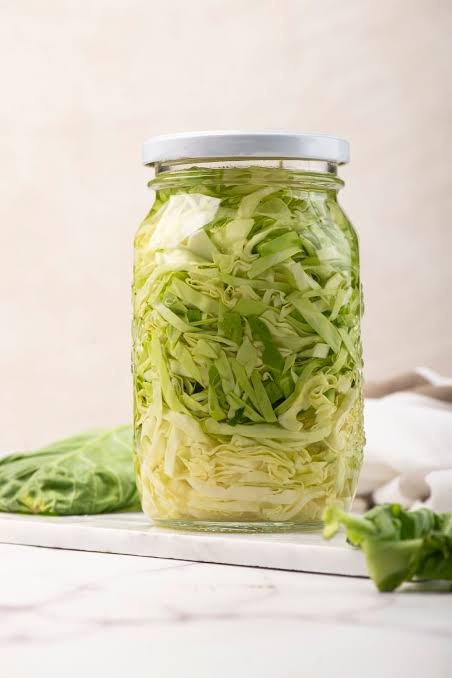
While canning fresh cabbage on its own is strongly discouraged by food safety authorities like the USDA and the National Center for Home Food Preservation (NCHFP) due to botulism risks and extreme flavor degradation, cabbage can be preserved through proper, safe fermentation into home canned sauerkraut. Below is a complete guide to preserving shredded green cabbage into delicious, water-bath canned sauerkraut using simple, natural fermentation.
Preserving shredded green cabbage through home fermentation and water bath canning is one of the most rewarding ways to store fresh farm produce in your pantry. This time tested recipe transforms crisp green cabbage leaves into tangy, flavorful, digestive friendly sauerkraut using nothing more than raw vegetable shreds and pure salt. Food preservation enthusiasts love this traditional method because it preserves the cabbage naturally through lactic acid production, giving you jars of shelf stable greens that last for months without losing their rich taste or nutritional value. Learning this skill helps you stay connected to historical food preservation techniques while filling your food storage shelves with vibrant, home grown goodness.
People adore this preserved shredded green cabbage recipe because it offers a crisp, zesty crunch that store bought versions simply cannot match. Grocery store sauerkraut is often heavily heat treated or packed with synthetic preservatives that dull the natural flavor and destroy delicate enzymes. When you shred and preserve green cabbage at home, you control every single ingredient, ensuring that only pure salt and fresh garden cabbage enter your glass jars. The gentle sourness created during the natural fermentation process balances beautifully with savory dishes, sausage platters, roasted meats, or simple weekday sandwiches.
This recipe is ideal for late summer or early autumn when cabbage heads are plentiful, heavy, and affordable at local markets. Emotionally, opening a glowing jar of bright green shredded cabbage in the middle of a cold winter brings an instant burst of summer warmth and accomplishment to your kitchen table. From a health and fitness perspective, fermented shredded green cabbage provides generous amounts of natural probiotics, vitamin C, dietary fiber, and organic digestive enzymes. Eating a spoonful of this tangy side dish with your daily meals supports smooth gut health, improves digestion, and boosts your natural immunity.
Taking the time to master cabbage preservation allows you to reduce food waste, build self reliance, and enjoy wholesome eating year round. It serves as a fantastic foundational project for beginner home preservers who want to gain confidence using basic water bath canning equipment. The process requires minimal active hands on time, making it an easy weekend project for busy individuals or families who love wholesome homesteading skills. Once your jars are processed and cooled, they store neatly in a dark pantry, ready to elevate your quick weeknight dinners with minimum effort.
Ingredients You Will Need
To preserve shredded green cabbage safely, you need exact proportions of cabbage and pure canning salt to create the precise acidity level needed for safe water bath processing. Do not use iodized table salt, as the additives can cloud the liquid and inhibit proper preservation.
-
Fresh green cabbage: 5 pounds of whole, firm heads trimmed of outer leaves
-
Pure canning salt: 3 tablespoons of non iodized pickling salt or coarse kosher salt
-
Distilled water: 4 cups kept nearby in case extra liquid is needed to cover shreds
Step by Step Method
Follow these straightforward steps carefully to prepare, ferment, and water bath can your shredded green cabbage safely.
Cleaning and Shredding the Cabbage
Remove and discard any loose, damaged, or discolored outer leaves from your cabbage heads. Rinse the firm heads thoroughly under cool running water, then dry them with clean towels. Cut each cabbage head into quarters and carefully slice out the thick central core. Using a sharp chef knife, a food processor, or a mandoline slicer, shred the green cabbage leaves into thin, uniform ribbons about the thickness of a quarter coin. Place all the shredded cabbage into a large, non reactive glass or food grade plastic tub.
Salting and Massaging
Sprinkle the 3 tablespoons of canning salt evenly over your shredded cabbage. Wash your hands thoroughly, then begin massaging and squeezing the cabbage firmly with your hands. Squeezing breaks down the cell walls of the green cabbage, releasing its natural juices to create a clear, natural brine. Continue working the cabbage for about 10 to 15 minutes until the volume reduces by nearly half and a pool of liquid forms at the bottom of your container.
Fermenting the Cabbage
Pack the massaged shredded cabbage tightly into a clean fermentation crock or large glass jar. Press the cabbage down firmly so the natural liquid rises completely above the top of the cabbage shreds. Place a heavy weight or a water filled plastic freezer bag on top of the cabbage to keep all shreds submerged beneath the liquid at all times. Cover the vessel with a breathable cloth tied with a rubber band, and let it sit in a cool, dark room between 68 and 72 degrees Fahrenheit for 3 to 4 weeks, checking daily to remove any surface foam.
Packaging and Canning the Jars
Once your shredded green cabbage reaches your desired tangy flavor, wash pint canning jars in warm soapy water and keep them warm. Heat your water bath canner filled with water. Pack the fermented shredded cabbage loosely into the warm jars, leaving a full 1/2 inch of headspace at the top of each jar. Pour the hot natural brine over the cabbage, maintaining that 1/2 inch headspace. Remove air bubbles using a plastic bubble remover utensil, wipe the jar rims clean with a moist paper towel, place flat canning lids on top, and screw down the metal bands until fingertip tight.
Processing in Water Bath
Place the filled jars carefully into your boiling water bath canner, ensuring at least 1 inch of water covers the jar tops. Bring the water back to a rolling boil, then process pint jars for 15 minutes, adjusting processing time for higher altitudes. When processing finishes, turn off the heat, let jars rest in the water for 5 minutes, then lift them out onto a towel lined counter. Leave jars undisturbed for 24 hours to cool and seal properly.
Why This Recipe Is Special
This preserved shredded green cabbage stands out as an exceptional addition to your pantry due to its remarkable balance of nutrition, health advantages, and unmatched culinary character.
Health Benefits and Digestive Power
Fermentation naturally breaks down complex plant fibers, making the cabbage far easier on your stomach while unlocking nutrients like vitamin B6, vitamin K, and iron. Lactic acid produced during fermentation acts as a natural preservative while creating a gentle, digestive environment that supports gut flora. Furthermore, green cabbage is naturally low in calories and saturated fat, allowing you to add rich flavor to your meals without compromising dietary goals.
Unbeatable Texture and Taste
Unlike plain canned vegetables that can turn soft, proper acid preservation retains a pleasant, firm bite in shredded cabbage. The natural tangy zip contrasts beautifully with rich, savory meats, creating a refreshing mouthfeel that brightens heavy winter dishes.
Extra Tips for Better Taste
-
Add caraway seeds: Mix 1 tablespoon of caraway seeds or mustard seeds into your shredded cabbage before fermenting for an authentic, traditional European deli flavor profile.
-
Use fresh firm heads: Always choose dense, heavy green cabbage heads harvested recently, as older cabbage holds less moisture and yields less natural brine.
-
Maintain submergence: Ensure every single shred of cabbage stays submerged below the liquid level during fermentation to keep the batch clean, fresh, and free of spoilage.
-
Avoid iodized salt: Always use pure canning salt or non iodized kosher salt to ensure clear liquid and vibrant color.
Final Thoughts
Preserving your own shredded green cabbage is a deeply satisfying kitchen skill that brings fresh farm flavor right into your year round cooking routine. By turning humble green cabbage heads into delicious, shelf stable jars, you create a versatile, healthy side dish that elevates everyday family meals. Give this easy preservation method a try, fill your pantry shelves with pride, and enjoy the delicious rewards of home preserved food all year long!
Nutrition Details
Here is the estimated nutritional content for a standard per serving portion of home preserved shredded green cabbage:
| Nutritional Component | Amount Per Serving (1/2 Cup) |
| Calories | 19 kcal |
| Total Fat | 0 grams |
| Saturated Fat | 0 grams |
| Cholesterol | 0 milligrams |
| Sodium | 460 milligrams |
| Total Carbohydrates | 4 grams |
| Dietary Fiber | 2 grams |
| Total Sugars | 1 gram |
| Protein | 1 gram |
| Vitamin C | 20 percent daily value |
| Vitamin K | 15 percent daily value |
| Calcium | 30 milligrams |
| Iron | 1 milligram |
Disclaimer
This recipe and nutritional breakdown are provided for general educational purposes only. Individual digestive health, sodium sensitivity, and dietary needs vary from person to person. Always follow tested, safe food preservation guidelines carefully, and consult a medical practitioner or registered dietitian if you have specific dietary restrictions or health conditions