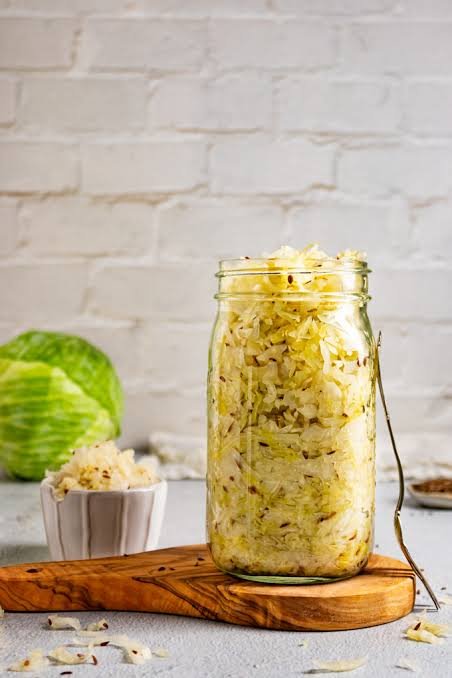
Appalachian aged sauerkraut is a traditional fermented cabbage dish that brings the rich history and deep roots of mountain cooking right into your modern kitchen. This age old method of preserving fresh cabbage has been trusted by families living in the Appalachian mountains for generations because it turns simple whole vegetables into something delicious and full of vibrant flavor. Making this dish at home allows you to slow down and experience a time honored culinary tradition that connects you directly with natural food preparation. Unlike modern store bought alternatives that are often cooked with high heat or packed with artificial preservatives, this traditional mountain recipe relies entirely on natural fermentation using simple pure ingredients and time. When you make a fresh batch, you are using the natural bacteria found on crisp green cabbage leaves to transform a simple harvest into a tangy crisp side dish that can last for months. It is an amazing way to preserve excess vegetables from your garden or local market while creating a budget friendly food staple that elevates simple everyday meals.
People around the world love this mountain style aged sauerkraut because its flavor profile is deeply satisfying and far superior to anything you can buy in a grocery store. Freshly fermented cabbage offers a delightfully crisp crunch paired with a bright naturally sour taste that brightens up almost any heavy savory meal. The aging process allows the natural sourness to mature gradually, creating a rich complex flavor that is mouthwatering rather than overly sharp or bitter. Home cooks especially adore this recipe because it requires very few simple ingredients that are easy to find and gentle on your household budget. There is also a wonderful sense of pride that comes from filling jars with fresh chopped cabbage, watching the natural fermentation work its magic over several weeks, and finally opening a jar of homemade food that you prepared entirely with your own hands. The process is deeply rewarding, turning basic kitchen work into a fun hobby that brings a rustic touch of tradition into your daily cooking routine.
You should consider making this recipe whenever you want to bring wholesome natural nutrition into your daily routine or when you simply crave rich comforting flavors. From a healthy wellness perspective, fermented foods are packed with friendly natural probiotics that support smooth digestion and nourish your overall gut health in a gentle way. Eating a small daily serving of fresh aged sauerkraut can help your digestive system feel balanced while giving your body valuable essential vitamins like vitamin C and vitamin K. Beyond the health benefits, this recipe is ideal to make during late summer or early autumn when fresh cabbage heads are plentiful, crisp, and exceptionally affordable. It is also an emotional comfort food that instantly brings warmth and rustic charm to cold winter evenings, pairing wonderfully with hearty roasted meats, warm potatoes, crusty bread, or simple vegetable stews. Preparing a big batch allows you to store healthy food in your pantry, giving you peace of mind and delicious side dishes ready whenever you need them.
Taking the time to craft your own batch of aged cabbage is a wonderful act of self care and a great skill to share with family and friends. When you prepare whole natural foods from scratch, you take full control over what goes into your body, completely avoiding hidden sugars, extra chemicals, or unnecessary sodium additives. The slow rhythm of chopping, salting, packing jars, and waiting patiently teaches you to appreciate the beauty of slow food made with love and patience. Families often make large batches together as a fun weekend activity, turning simple food prep into cherished memories that can be passed down to children and grandchildren. Whether you want to boost your daily digestive health with raw living probiotic food, save money on your weekly grocery budget, or simply enjoy the ultimate tangy crunch on your favorite sandwiches, this classic mountain recipe offers something truly wonderful for everyone.
Ingredients You Will Need
To make a successful batch of Appalachian aged sauerkraut, you need just a few simple pure ingredients. Choosing fresh high quality produce will give you the best texture and flavor.
Medium Heads of Fresh Green Cabbage: 2 whole heads, about 5 pounds total weight
Coarse Non Iodized Sea Salt or Canning Salt: 3 tablespoons total
Whole Caraway Seeds: 1 tablespoon, optional for classic earthy flavor
Whole Black Peppercorns: 1 teaspoon, optional for mild warmth
Filtered Water: 2 cups, kept nearby in case extra liquid is needed
Step by Step Method
Prepare Your Kitchen Space and Utensils
Clean your counter space, cutting boards, large mixing bowl, and glass canning jars thoroughly with hot soapy water. Rinse everything well with hot water and let them air dry completely. Cleanliness is very important during fermentation because you want good beneficial bacteria to thrive without any unwanted kitchen contaminants.
Prepare the Fresh Cabbage
Remove the outer damaged or dirty leaves from your heads of cabbage. Set aside two large clean outer leaves for later use because you will need them inside the jars. Quarter each head of cabbage using a sharp knife and cut away the hard center core from each quarter. Slice the remaining cabbage leaves into thin uniform shreds using a sharp chef knife or a vegetable mandoline.
Salt and Massage the Cabbage
Place all your sliced cabbage into a large clean mixing bowl. Sprinkle the 3 tablespoons of coarse salt evenly over the top of the cabbage shreds. Use clean hands to firmly squeeze, massage, and knead the cabbage for about 10 to 15 minutes. As you squeeze the cabbage, the salt will draw out natural juices, making the cabbage soft, wet, and limpid while creating a pool of clear liquid at the bottom of your bowl.
Add Optional Spices
If you enjoy classic mountain flavor, sprinkle the whole caraway seeds and whole black peppercorns into the bowl with your softened cabbage. Toss everything gently with your hands to distribute the spices evenly throughout the mass of cabbage shreds.
Pack the Fermentation Jars
Begin transferring tight handfuls of salted cabbage into clean quart sized glass canning jars. Push the cabbage down firmly using your fists, a wooden spoon, or a clean tamper after every few additions. Pressing firmly removes trapped air pockets and forces the natural cabbage juices to rise above the solid vegetable line. Continue packing until the cabbage sits about 2 inches below the top rim of the jar.
Cover Cabbage with Natural Brine
Ensure the squeezed cabbage liquid completely covers all the packed cabbage shreds. If your cabbage did not produce enough natural brine to submerge everything completely, mix 1 teaspoon of salt into 1 cup of room temperature filtered water and pour just enough over the cabbage to cover it completely.
Secure the Vegetable Layer
Take one of the reserved outer cabbage leaves that you set aside earlier and fold it to fit inside the mouth of the jar. Press this leaf directly down onto the shredded cabbage to act as a natural barrier that keeps tiny shredded pieces submerged beneath the liquid brine. Place a clean glass weight or small glass jar on top of the folded leaf to hold everything firmly down.
Seal and Store for Fermentation
Place a clean lid loosely on top of the jar or use a special fermentation airlock lid. Store the jar in a cool, dark place like a pantry, basement, or quiet kitchen corner where the temperature stays between 65 and 72 degrees Fahrenheit. Leave the jar undisturbed to ferment for 3 to 4 weeks, checking it every couple of days to ensure the liquid stays above the cabbage layer.
Taste Test and Age
After 3 weeks, open the jar carefully and taste a small piece of cabbage using a clean fork. If you prefer a mild fresh sour taste, your sauerkraut is ready to eat. If you want a deeper aged mountain flavor, put the lid back on and let it age for another 1 to 3 weeks until it reaches your preferred level of tanginess.
Store for Long Term Enjoyment
Once the sauerkraut reaches the perfect flavor, remove the glass weight and outer leaf cover. Screw the canning jar lid on tightly and move the jar into your refrigerator or a cold root cellar. Cold storage slows down the fermentation process, keeping your aged sauerkraut crisp, tangy, and fresh for up to 6 months.
Why This Recipe Is Special
This traditional Appalachian recipe stands out because it relies entirely on the natural magic of traditional wild fermentation. Unlike modern commercial versions found on supermarket shelves, this method uses zero artificial vinegar, zero chemical preservatives, and zero heat treatment. Because the cabbage remains unheated and completely raw during processing, all the heat sensitive natural nutrients, vital enzymes, and healthy active probiotics are preserved intact. Each forkful delivers billions of beneficial live micro organisms directly into your digestive system, helping to balance gut flora, support healthy immune function, and improve natural digestion over time.
From a culinary perspective, aging cabbage slowly creates a depth of flavor that quick vinegar pickles simply cannot achieve. The gradual conversion of natural plant sugars into clean lactic acid gives the final dish a smooth rounded sourness accompanied by a satisfying crisp crunch. It is an affordable, rich food that turns simple humble garden vegetables into a nutrient dense kitchen staple. Furthermore, mastering this traditional process restores valuable culinary self reliance skills, connecting you directly to rustic historic cooking techniques that have sustained mountain communities for hundreds of years.
Extra Tips for Better Taste
Choose Heavy Dense Cabbage Heads
When buying or harvesting cabbage, choose heads that feel heavy for their size and have tightly packed leaves. Dense fresh cabbage contains more moisture, which makes it much easier to create plenty of rich natural brine during the massaging step without adding extra water.
Maintain Uniform Shred Size
Try to slice your cabbage as evenly as possible. Shredding the cabbage into uniform thin strips ensures that all pieces absorb salt evenly, soften at the same rate, and ferment consistently throughout the entire jar.
Keep Everything Submerged
The absolute key to successful cabbage fermentation is keeping all vegetable pieces completely under the liquid brine at all times. Mold or unwanted bacteria need oxygen to grow, so keeping your cabbage submerged in brine keeps it completely safe, fresh, and delicious throughout the aging period.
Experiment with Fresh Aromatic Vegetables
For creative flavor variations, try adding small amounts of shredded fresh carrots, sliced sweet onions, minced garlic cloves, or thinly sliced crisp apples into your cabbage mix before packing the jars. These additions bring extra sweetness and unique depth to your final product.
Use Clean Non Chlorinated Water
If you ever need to add extra brine to your jars, always use pure filtered water or spring water. Chlorinated tap water can hinder or stop the growth of beneficial lactic acid bacteria, which can slow down or spoil your fermentation process.
Final Thoughts
Making your own Appalachian aged sauerkraut at home is a simple, satisfying, and deeply rewarding experience that brings wholesome rustic traditions right onto your dinner table. With just fresh cabbage, pure salt, and a little bit of patience, you can create a incredible probiotic rich side dish that nourishes your body while delighting your tastebuds. Whether you serve it alongside warm dinner roasts, mix it into fresh salads, or simply enjoy a quick crisp forkful straight from the jar, this classic mountain recipe will quickly become a beloved favorite in your home kitchen. Emulating these traditional preservation methods allows you to enjoy fresh healthy food while connecting with simple food heritage every single day.
Nutrition Details
The nutrition breakdown provided below represents an estimated nutritional profile for one standard quarter cup serving of homemade fermented aged sauerkraut. Please note that values may vary slightly depending on exact cabbage head size and liquid content.
Serving Size: 1 quarter cup, approximately 30 grams
Energy: 7 Calories
Total Fat: 0 grams
Saturated Fat: 0 grams
Trans Fat: 0 grams
Cholesterol: 0 milligrams
Sodium: 230 milligrams
Total Carbohydrates: 2 grams
Dietary Fiber: 1 gram
Total Sugars: 1 gram
Protein: 0 grams
Vitamin C: 15 percent Daily Value
Vitamin K: 12 percent Daily Value
Iron: 2 percent Daily Value
Calcium: 2 percent Daily Value
Disclaimer
This article and recipe are intended strictly for educational and general informational purposes. Everyone has a unique body, individual health needs, and different digestive systems. Nutritional content and personal health effects can vary depending on individual health status, dietary restrictions, and specific preparation methods. Fermented foods contain active live cultures, which may cause mild temporary digestive changes in some individuals who are new to eating live foods. If you have specific medical conditions, severe digestive sensitivity, or questions regarding sodium intake, please consult with a qualified healthcare professional or certified dietitian before making major changes to your regular diet.