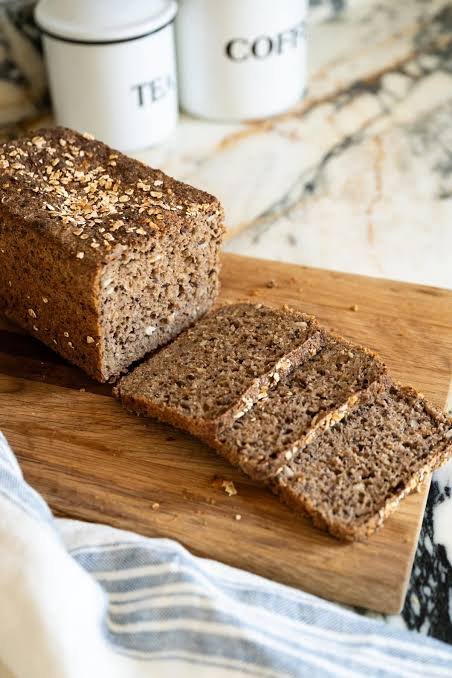
Sourdough rye bread which is also known as Danish Rugbrød is one of the most comforting and satisfying traditional breads you can bake in your home kitchen. This complete baking guide is designed to help you create a dense dark nut scented loaf filled with healthy seeds and dark rye flour using simple tools and easy steps. Unlike light airy white bread which rises high and fluffy this Scandinavian classic offers a rich heavy structure that is full of deep fermented flavor and wonderful crunch. Baking this loaf is a peaceful journey that brings the warm cozy feeling of authentic European home baking right into your house filling every corner with an incredible nutty aroma.
People all over the world fall completely in love with this special sourdough rye bread because it brings together incredible taste and fantastic physical health benefits in every single slice. The secret to its remarkable appeal lies in the traditional combination of cracked rye grains mixed seeds and active sourdough culture which creates a complex sour flavor profile that tastes better day after day. You do not need any special professional bakery tools or complicated professional techniques to achieve success with this baking recipe because time and natural fermentation do almost all the heavy work for you. Every bite provides a wonderful rustic chewiness that makes simple everyday meals feel luxurious and special while staying light and easy on your stomach.
There are so many wonderful reasons to make this traditional dark loaf whether you are looking for a comforting weekend activity or a powerful healthy upgrade to your regular daily diet routine. Eating a thick slice of fresh seed filled rye bread with simple salted butter or sliced cold eggs brings pure joy and emotional warmth after a long busy work day. From a fitness perspective this dark sourdough bread provides steady long lasting clean energy without sharp blood sugar spikes because it is packed with pure complex natural fibers and essential plant protein. Preparing this slow fermented food gives you full creative control over honest high quality wholesome ingredients while connecting you with ancient traditions of simple natural living.
Making your own fresh Danish sourdough rye bread at home allows you to pause your busy life and focus on a slow mindful process that rewards your patience with delicious nourishing food. Watching the active sourdough starter bubble up and mix with whole dark rye grains brings a deep sense of pride that store bought factory bread can never match. It is the ultimate loaf to slice thin for open faced sandwiches healthy lunches quick breakfast toast or family weekend gatherings where good food brings people closer together. Once you experience the cozy aroma of dark roasted rye baking in your warm kitchen oven this simple traditional sourdough recipe will naturally become a permanent favorite in your home baking routine.
Ingredients You Will Need
To make one full sized heavy loaf of authentic Danish Rugbrød you will need the following fresh ingredients measured carefully:
Active dark rye sourdough starter: 200 grams or three quarters of a cup
Dark rye flour: 350 grams or three cups
Whole grain rye chops or cracked rye: 150 grams or one cup
Warm pure water: 450 milliliters or two cups
Whole sunflower seeds: 100 grams or three quarters of a cup
Whole pumpkin seeds: 75 grams or half a cup
Whole flaxseeds: 50 grams or one third of a cup
Whole sesame seeds: 50 grams or one third of a cup
Dark beer or stout malt drink: 100 milliliters or half a cup
Unrefined fine sea salt: 12 grams or two teaspoons
Pure dark molasses or malt syrup: 30 grams or one large tablespoon
Vegetable oil or melted butter for greasing the baking pan
Step by Step Method
Step 1 Soaking the Seeds and Grains
Start your baking process the night before you plan to bake your dark sourdough rye bread. Take a large clean glass bowl and place your cracked rye grains inside along with the sunflower seeds pumpkin seeds flaxseeds and sesame seeds. Pour half of the warm pure water directly over the seed mixture so every dry piece is completely submerged under water. Cover the glass bowl tightly with a clean towel or plastic wrapping and leave it sitting on your warm kitchen counter overnight. Soaking the grains softens their tough outer skins so they become easy to digest while ensuring your final loaf stays soft and moist for many days.
Step 2 Feeding and Preparing Your Sourdough Starter
On the exact same evening feed your active dark rye sourdough starter with equal parts dark rye flour and warm pure water in a separate container. Keep this mixture in a cozy spot overnight so the natural wild yeasts can grow strong and active. By the following morning your sourdough starter should look bubbly light and smell pleasantly sour like fresh green apples. Having a healthy vibrant starter is essential because dark rye flour contains very little flexible gluten and relies heavily on natural sourdough acidity to build a solid loaf structure.
Step 3 Mixing the Dough Base
The next morning take your large main mixing bowl and add your strong active sourdough starter along with the rest of the warm pure water. Pour in the dark beer or stout malt drink along with the pure dark molasses or malt syrup. Use a wooden spoon or a strong spatula to stir all these liquid ingredients together until the starter completely dissolves into a uniform dark liquid. The dark beer adds a wonderful deep malt aroma while the dark molasses gives the bread its iconic traditional mahogany color and subtle natural sweetness.
Step 4 Combining Dry Ingredients
Now add the fine sea salt into the soaked grain and seed mixture from the previous night. Dump the soaked seeds along with all their remaining liquid into the bowl containing your dark sourdough liquid base. Gently pour all of the dark rye flour into the same large bowl. Use your strong wooden spoon to mix everything together thoroughly until no dry flour spots remain visible anywhere in the dough. Rye dough is very sticky and thick unlike white wheat dough so do not attempt to knead it with your hands on a flat flour counter. Simply stir and press until you form a heavy dense wet paste that holds together neatly.
Step 5 Preparing the Loaf Pan
Take a standard heavy metal loaf pan that measures about nine inches by five inches in size. Use a small kitchen brush to coat the inside surfaces generously with vegetable oil or butter so your baked bread will release easily after cooking. Sprinkle a few extra whole sunflower seeds or dry dark rye flour over the greased bottom and sides of the pan to create an extra non stick barrier. Carefully transfer your thick sticky rye dough into the prepared pan using a wet silicone spatula or clean wet rubber scraper.
Step 6 Smoothing and Shaping the Surface
Dip your hands or a flat metal spatula in a bowl of cool clean water so the sticky rye dough does not cling to your skin. Press down firmly on the top of the wet dough to compact it completely into the corners of the loaf pan leaving no trapped air pockets underneath. Smooth out the top surface of the loaf until it looks nice and flat. If you like you can scatter additional whole flaxseeds pumpkin seeds and sunflower seeds across the top pressing them gently into the wet surface so they stay attached during baking.
Step 7 The Long Natural Fermentation
Cover the loaf pan loosely with a damp kitchen cloth or plastic shower cap to trap the internal moisture inside the pan. Place the covered pan in a warm spot in your kitchen away from cold drafts for roughly four to six hours. Because whole dark rye flour fermenting is a slow natural process your loaf will rise gradually rather than exploding quickly like modern yeast loaves. Watch for small cracks or tiny air bubbles forming across the smooth top surface which indicates that your dough has expanded by roughly thirty percent and is completely ready to bake.
Step 8 Preheating Your Home Oven
About thirty minutes before your long fermentation time ends preheat your home kitchen oven to four hundred degrees Fahrenheit which is equal to two hundred degrees Celsius. If you have a heavy baking stone or thick baking sheet place it on the middle rack inside the oven while it heats up. Placing your pan on top of a hot surface helps distribute heat evenly into the heavy dense bottom of the dark seed bread.
Step 9 Baking the Loaf
Place the open loaf pan carefully onto the middle oven rack and close the oven door completely. Bake the bread at four hundred degrees Fahrenheit for fifteen minutes to establish a good firm crust outer structure. After fifteen minutes turn the oven temperature down to three hundred and fifty degrees Fahrenheit or one hundred and seventy five degrees Celsius. Continue baking the loaf for another fifty to sixty minutes until the outer crust turns deep dark brown and smells intensely rich and toasted.
Step 10 Checking for Doneness
Carefully remove the hot loaf pan from the oven using thick insulated oven mitts. Gently run a thin butter knife along the inner side edges of the pan to free the loaf then tip the bread out onto a flat surface. Tap the bottom of the warm loaf gently with your knuckles; if it sounds hollow and firm the bread is fully cooked inside. If the bottom feels soft or damp return the loaf directly onto the oven rack without the pan and bake for ten additional minutes to set the crust completely.
Step 11 The Essential Resting Period
This is the most critical step in the entire Danish Rugbrød process so please do not skip it. Transfer your hot baked loaf to a wire cooling rack and leave it completely untouched for at least twelve to twenty four hours before slicing. Dark rye bread continues to steam and cook internally long after leaving the oven while its internal starch structure sets properly. If you slice into this heavy dense bread while it is still hot the inside will feel sticky wet and gummy. Waiting patiently rewards you with perfect clean slices and a smooth silky interior crumb.
Why This Recipe Is Special
This dark Danish sourdough rye bread recipe stands out from everyday store bought breads because it relies on pure simple methods refined over hundreds of years across Northern Europe. By using a natural sourdough starter instead of fast commercial yeast the bread undergoes a slow gentle acid transformation that breaks down tough starches making every slice wonderfully easy on sensitive stomachs. The dark whole rye grain contains higher levels of minerals vitamins and dietary fiber than refined white wheat flour which keeps your digestive system happy while supporting steady energy levels throughout busy days.
The unique combination of dense texture rich malt color and crunchy toasted seeds delivers an unforgettable eating experience that normal sandwich bread simply cannot offer. The inclusion of whole pumpkin seeds flaxseeds and sunflower seeds creates a wonderful play of textures where every mouthful features a creamy interior chew along with a nutty crunch. Additionally because natural sourdough acidity acts as a wonderful preservative this bread stays fresh moist and mold free on your kitchen counter for up to a full week without adding any chemical additives or modern artificial preservatives.
Extra Tips for Better Taste
To lift the depth of flavor even further try substituting half of the warm water in the dough recipe with dark unsweetened cocoa drink or warm rich brewed coffee. These additions will not make your loaf taste like sweet dessert or morning espresso; instead they dramatically enhance the rich dark color and deepen the earthy rye malt undertones. You can also mix half a teaspoon of crushed coriander seeds or whole caraway seeds into the flour if you enjoy a subtle traditional herbal accent across your baked dark loaves.
For an extra crispy crust texture lightly spray the top surface of the unbaked loaf with clear water right before placing it into your hot oven. If you prefer a shiny soft top crust rub a tiny bit of melted salted butter over the hot top surface the moment you remove the loaf pan from the oven. Always remember to store your cooled whole loaf wrapped snugly in a clean cotton tea towel or inside a wooden bread box rather than a sealed plastic bag so the outer crust maintains its perfect pleasant crunch.
Final Thoughts
Baking a fresh loaf of traditional Danish sourdough rye bread is one of the most rewarding simple kitchen adventures you can experience right at home. The slow peaceful process teaches us the value of patience while transforming humble seeds grains and water into a deeply satisfying dark loaf that nourishes your body and brightens your morning meal. Serve your fresh slices topped with real salted butter thin cheese slices smoked fish or simple ripe avocado spread and enjoy the rich ancient craft of real sourdough baking.
Nutrition Details
Below is an estimated nutritional breakdown for one single slice of Danish sourdough rye bread based on a standard loaf sliced into sixteen equal portions.
| Nutritional Component | Amount Per Serving | Amount Per Full Loaf |
| Serving Size | 1 slice or 65 grams | 16 slices or 1040 grams |
| Total Calories | 175 kcal | 2800 kcal |
| Carbohydrates | 24 grams | 384 grams |
| Dietary Fiber | 6 grams | 96 grams |
| Sugars | 2 grams | 32 grams |
| Total Protein | 6 grams | 96 grams |
| Total Fat | 6 grams | 96 grams |
| Saturated Fat | 1 gram | 16 grams |
| Sodium | 280 milligrams | 4480 milligrams |
| Potassium | 190 milligrams | 3040 milligrams |
| Calcium | 35 milligrams | 560 milligrams |
| Iron | 2 milligrams | 32 milligrams |
Disclaimer
This recipe content is provided solely for general educational and inspirational kitchen home use. Everyone has unique digestive systems dietary preferences and individual health conditions so personal nutritional needs may vary from person to person. If you have known gluten sensitivities seed allergies or specific metabolic health issues please consult with a qualified health professional or registered dietitian before making significant changes to your regular daily eating habits.