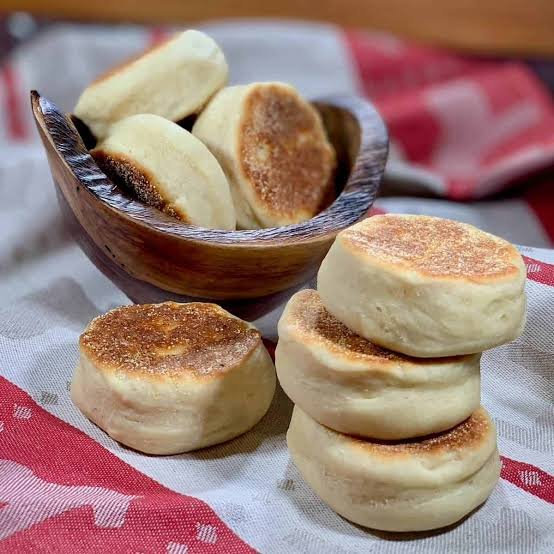
Sourdough homemade English muffins are a traditional baked breakfast bread made using a fermented flour and water starter instead of fast acting commercial yeast. These lovely round breakfast breads feature a soft chewy inside filled with famous nooks and crannies that hold melted butter and sweet jam perfectly. Making them at home gives you full control over the ingredients which means you can skip all the strange preservatives and extra sugars found in shop bought versions. Cooking these muffins on a hot griddle or skillet rather than baking them in a standard oven gives them their classic toasted top and bottom while keeping the interior rich and fluffy. The process combines simple kitchen staples with gentle wild yeast fermentation to produce an incredibly satisfying bread that elevates any standard morning meal into a special cafe quality experience right at home.
People absolutely fall in love with this recipe because it strikes the ultimate balance between delightful sourdough flavor and comforting bread texture. Unlike heavy artisan bread loaves that require long baking times in hot Dutch ovens, these simple English muffins cook quickly right on your stove top in a heavy skillet. The natural wild yeast fermentation creates a mild tangy note that balances perfectly with savory toppings like runny eggs or salty bacon as well as sweet choices like wild honey or fruit preserves. Home cooks also cherish the satisfying process of fork splitting these muffins to reveal the beautiful open texture hidden inside. There is immense joy in taking raw dough made from basic flour and water and transforming it into golden griddle cooked rings that smell like a dream.
You should make these wonderful muffins whenever you want to bring warmth and comfort into your morning routine or make your family weekend breakfast truly memorable. They are ideal for busy people who love meal preparation because you can easily freeze a large batch and toast them straight from the freezer on busy weekdays. Fitness enthusiasts appreciate them because long fermented sourdough is naturally easier on the digestive system and provides stable long lasting energy without sudden blood sugar spikes. Making a batch on a slow Sunday afternoon offers a peaceful baking ritual that lowers stress while filling your home with delicious warm bread aromas. Whether you are aiming to eat cleaner food or simply want to impress your friends at brunch, these griddle cooked breads deliver total satisfaction every single time.
Starting your journey into sourdough baking can sometimes feel intimidating with all the complex bakery jargon and strict schedules, but this simple recipe breaks down every step into beginner friendly actions. You do not need any fancy bakery machinery or expensive kitchen gadgets to master this process, just a trusty heavy skillet and basic mixing bowls. Taking time to nurture your dough through gentle resting periods allows the natural enzymes to work their magic and build incredible flavor naturally. Eating fresh homemade bread cooked with your own hands brings a deep sense of accomplishment that store bought food simply cannot match. Once you taste a fresh warm muffin toasted to golden perfection and dripping with warm butter, you will never want to go back to shop bought versions again.
Ingredients You Will Need
-
100 grams active bubbly sourdough starter
-
240 grams whole milk warmed slightly
-
15 grams granulated sugar or raw honey
-
360 grams unbleached bread flour
-
5 grams fine sea salt
-
15 grams unsalted butter softened at room temperature
-
30 grams coarse yellow cornmeal for dusting the baking tray
Step by Step Method
-
In a large glass mixing bowl combine the active sourdough starter, warmed whole milk, and granulated sugar or honey. Stir well with a wooden spoon until the liquids are smooth and fully blended.
-
Add the unbleached bread flour and fine sea salt into the bowl. Mix everything together until a thick shaggy dough forms and no dry flour spots remain visible.
-
Add the softened butter into the dough. Use your hands to squeeze and knead the butter directly into the mixture until it is completely absorbed and smooth.
-
Cover the mixing bowl with a clean damp kitchen towel or plastic wrap. Let the dough rest on your kitchen counter at room temperature for about eight hours or overnight so it can double in size and develop rich flavor.
-
Dust a clean baking sheet generously with the coarse yellow cornmeal to prevent sticking and to give the muffins their classic rough texture.
-
Turn the puffy dough out onto a lightly floured clean surface. Gently press the dough down with your hands until it is about one inch thick across the top.
-
Use a round three inch biscuit cutter or the open rim of a glass to cut out individual dough circles. Avoid twisting the cutter so the edges can rise nicely.
-
Place each cut dough circle onto the prepared baking sheet dusted with cornmeal. Sprinkle a little extra cornmeal over the top of each muffin circle.
-
Cover the dough circles loosely with a light towel and let them rest and puff up for about one to two hours until they look light and airy.
-
Heat a heavy cast iron skillet or flat griddle over low heat for several minutes until it is evenly warm.
-
Carefully place a few dough circles into the warm dry skillet leaving space between them. Do not crowd the pan so they cook evenly.
-
Cook the muffins on low heat for about ten to twelve minutes on the first side until the bottom turns a deep golden brown color.
-
Gently flip each muffin over using a flat spatula and cook for another ten to twelve minutes until the other side is equally golden brown and cooked through.
-
Transfer the cooked muffins to a wire cooling rack and let them cool down completely before opening.
-
Use a fork to pierce around the middle edge of each muffin and pull it open gently to preserve the nooks and crannies inside.
Why This Recipe Is Special
This sourdough English muffin recipe stands out because it turns simple whole food ingredients into an amazing bakery quality treat right in your own kitchen. Traditional store bought breads often contain unwanted additive chemicals to extend shelf life, but this natural recipe relies purely on wild fermentation for preservation and taste. The natural lactic acid produced during the sourdough fermentation process helps break down phytic acid and gluten in the wheat, making the nutrients easier for your body to absorb while being much gentler on your stomach. People who sometimes feel bloated after eating regular yeast bread often find that naturally fermented sourdough agrees with them much better.
From a health and nutrition standpoint, these muffins offer wholesome carbohydrates that digest slowly to provide sustained physical energy throughout your busy morning. Because you control the quality of the flour and sweetener, you can easily adapt the recipe to match your personal nutritional goals. The cooking technique on a warm griddle creates a unique contrast between the crispy toasted outer crust and the soft airy interior that an ordinary oven just cannot reproduce. It is a cost effective baking project that turns basic pantry items into luxurious food, giving you maximum flavor and wellness benefits without spending extra money at expensive specialty shops.
Extra Tips for Better Taste
-
Always use a fork rather than a sharp knife to split your muffins open because a knife cuts through the air pockets and ruins the nooks and crannies.
-
Cook the muffins over very low heat so the interior bakes completely before the outer crust gets too dark or burnt.
-
Add fresh cracked black pepper and sharp cheddar cheese directly into the dough during the final mixing step for a savory twist.
-
Try substituting half of the white flour with whole wheat flour if you prefer a deeper nutty flavor and extra dietary fiber.
-
Freeze your extra pre split muffins in an airtight bag so you can pop them directly into a toaster for a quick hot breakfast anytime.
Final Thoughts
Making your own sourdough English muffins at home is a wonderful culinary skill that brings warmth, health, and incredible flavor straight into your kitchen routine. Once you master the simple steps of mixing, fermenting, and griddle cooking, you will take immense pride in serving these golden toasted rounds to your friends and family. Enjoy them slathered with creamy butter, sweet homemade jam, or stacked high with fresh eggs and avocado for the ultimate weekend breakfast.
Nutrition Details
| Nutrient Item | Quantity Per Serving | Percentage Daily Value |
| Serving Size | 1 Muffin | Not Applicable |
| Total Calories | 180 kcal | 9 percent |
| Total Fat | 3 grams | 4 percent |
| Saturated Fat | 1.5 grams | 8 percent |
| Trans Fat | 0 grams | 0 percent |
| Cholesterol | 5 milligrams | 2 percent |
| Sodium | 310 milligrams | 13 percent |
| Total Carbohydrates | 32 grams | 12 percent |
| Dietary Fiber | 2 grams | 7 percent |
| Total Sugars | 2 grams | Not Applicable |
| Protein | 6 grams | 12 percent |
| Calcium | 45 milligrams | 4 percent |
| Iron | 2 milligrams | 11 percent |
Disclaimer
The nutritional values presented in this table are estimated approximations calculated for a single muffin based on standard ingredient information. Actual individual nutritional content may vary depending on the specific flour brands, sweeteners, and dairy products used in your home kitchen. Everyone has unique dietary requirements, nutritional needs, and physical responses to fermented foods, so results may differ for each person. If you have specific health conditions or dietary limitations, please consult with a qualified health professional or registered dietitian.