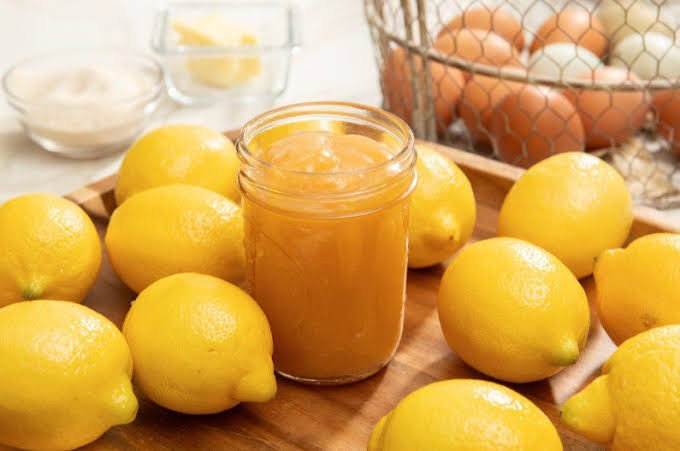
Canning lemon curd brings the bright sunlit flavor of fresh citrus straight into your home pantry for long term enjoyment. Lemon curd is a thick, rich, velvety spread made from fresh lemon juice, lemon zest, egg yolks, sugar, and unsalted butter. While standard fruit preserves rely on fruit pectin to gel, curd achieves its luxurious texture from the gentle cooking of eggs. When you preserve this wonderful topping properly through safe home canning methods, you create shelf stable jars of golden sunshine ready to elevate breakfast, desserts, or quick snacks. Making a large batch allows you to capture lemons at their peak freshness and enjoy their vivid flavor all year round.
People absolutely adore lemon curd because it strikes an incredible, irresistible balance between sweet and tart notes. Every single spoonful delivers an intense burst of fresh citrus that wakes up your taste buds completely. The texture is smooth, creamy, and decadent without feeling overly heavy on the palate. Store bought versions often rely on artificial thickeners, fillers, or excess preservatives that dull the true natural lemon flavor. When you make and can your own batch at home, the clean, authentic taste shines through brightly in a way that commercial products simply cannot match. It feels like an expensive luxury item made right in your own kitchen.
There are so many wonderful reasons and special occasions to whip up a batch of homemade lemon curd. Emotionally, cooking a warm pot of golden curd fills your whole kitchen with an energizing citrus aroma that instantly brightens your mood on gloomy days. It makes a beautiful, thoughtful gift for neighbors, family, and friends during holidays or special spring celebrations. From a taste perspective, it is the ultimate topping to turn simple plain yogurt, fresh berries, pancakes, or toasted sourdough into a bakery quality treat. For those mindful of balanced eating, a small spoonful delivers a huge punch of flavor, satisfying sweet cravings without needing huge portions.
Learning the art of canning lemon curd gives you complete control over the quality of ingredients going into your jars. You can choose organic lemons, premium fresh butter, and high quality eggs to ensure the best possible flavor profile. Having prepped jars sitting on your pantry shelf means you are always ready for unexpected guests or sudden dessert cravings. You can fill pastry shells, swirl it into cake batter, or simply eat it straight off the spoon when you need a quick sweet pick me up. Mastering this classic recipe builds your confidence in home food preservation and rewards you with delicious results every single time.
Ingredients You Will Need
-
1 cup fresh lemon juice, squeezed from about 8 large lemons
-
2 tablespoons freshly grated lemon zest
-
1 and 1/2 cups granulated white sugar
-
7 large egg yolks
-
4 large whole eggs
-
1 cup unsalted butter, cut into small cubes
-
1/2 teaspoon fine salt
Step by Step Method
-
Wash your lemons thoroughly under warm running water to remove any wax or dirt, then dry them completely with a clean towel.
-
Microplane or grate the outer yellow skin of the lemons to collect two tablespoons of fresh zest, being very careful not to grate the white bitter pith underneath.
-
Slice the lemons in half and squeeze them through a fine mesh strainer to collect one cup of clear, seedless fresh juice.
-
Prepare your water bath canner by filling it with water, inserting four half pint canning jars, and bringing the water to a gentle simmer over medium heat to sanitize the glass.
-
Place the fresh egg yolks, whole eggs, and granulated sugar into a large heatproof glass bowl or the top vessel of a double boiler.
-
Whisk the egg mixture vigorously for two full minutes until the sugar dissolves slightly and the eggs look light yellow and smooth.
-
Pour the fresh lemon juice, lemon zest, and fine salt into the egg mixture while continuing to whisk constantly to combine everything evenly.
-
Place the bowl over a saucepan filled with two inches of gently simmering water, ensuring the bottom of your bowl does not touch the direct hot water below.
-
Stir the mixture continuously with a wooden spoon or silicone spatula, making sure to scrape the bottom and sides of the bowl so the eggs do not scramble.
-
Cook gently for about fifteen to twenty minutes until the lemon curd thickens enough to coat the back of your spoon thickly.
-
Remove the bowl from the heat source and immediately add the cold cubed butter, one small piece at a time, stirring gently until each piece melts completely into the warm curd.
-
Carefully remove your hot sanitized jars from the water bath using a jar lifter and set them on a clean kitchen towel on your counter.
-
Ladle the hot lemon curd into the warm jars, leaving one half inch of empty headspace at the top of each jar.
-
Wipe the glass rims thoroughly with a damp paper towel to ensure no sticky curd remains on the sealing surface.
-
Place clean lids on top of each jar and screw the metal bands on until they are fingertip tight, avoiding overtightening.
-
Lower the filled jars back into the boiling water bath canner, making sure the jars are covered by at least one inch of water.
-
Process the jars in boiling water for fifteen minutes, adjusting processing time upward if you live at a high altitude.
-
Turn off the heat, remove the canner lid, and let the jars rest inside the hot water for five full minutes.
-
Lift the jars carefully out of the water using your jar lifter and place them on a towel to cool completely for twenty four hours without disturbing them.
-
Check the seals by pressing the center of each lid after twenty four hours; properly sealed lids will not flex or pop up, and sealed jars can be stored in a cool dark pantry for long term use.
Why This Recipe Is Special
This home recipe stands out because it utilizes natural emulsion techniques to create an ultra silky texture without relying on cornstarch or artificial chemical gums. Fresh lemons offer a natural boost of Vitamin C and antioxidants that support immune health and overall bodily wellness. The high egg content provides beneficial proteins, healthy lipids, and essential nutrients like choline and Vitamin A. Utilizing double boiler gentle heat prevents the protein structures from toughening, ensuring every single jar stays velvety and rich over time. Homemade food preservation gives you total clarity regarding what your family consumes, avoiding high fructose corn syrup and artificial food dyes completely.
Extra Tips for Better Taste
-
Use fresh Meyer lemons if you prefer a sweeter, slightly floral citrus profile that softens the sharpness of traditional lemons.
-
Strain your warm cooked curd through a fine mesh sieve right before jarring to remove all lemon zest and eliminate any accidental tiny cooked egg bits.
-
Add a dash of pure vanilla extract at the very end of cooking to round out the sharp acid with warm sweet undertones.
-
Mix half a teaspoon of ground cardamom or fresh lavender into the cooking pot for an intriguing herbal twist on traditional citrus spreads.
-
Always use non reactive stainless steel or glass cookware to prevent the fresh lemon acid from reacting with metal and creating an unpleasant metallic taste.
Final Thoughts
Creating your own preserved lemon curd is a truly rewarding kitchen project that fills your home with incredible sunshine flavors. Taking simple everyday pantry staples like eggs, sugar, butter, and lemons and transforming them into velvety gourmet jars brings genuine joy to cooking. Having these jars stocked in your pantry makes entertaining guests effortless and turns everyday morning routines into special culinary moments. Give this simple recipe a try today and enjoy the sweet, tangy rewards of your labor all year long.
Nutrition Details
| Nutrients | Value Per Serving (1 Tablespoon) |
| Calories | 55 kcal |
| Total Carbohydrates | 7 g |
| Sugars | 6 g |
| Total Fat | 3 g |
| Saturated Fat | 1.5 g |
| Protein | 1 g |
| Cholesterol | 35 mg |
| Sodium | 25 mg |
| Vitamin C | 4% Daily Value |
Disclaimer
Everyone’s body is unique, and individual nutritional needs or dietary responses can vary based on personal health status. The health information provided in this article is meant for general educational purposes only and should not replace professional medical advice. Always consult a qualified healthcare provider or registered dietitian if you have specific questions about egg allergies, citrus sensitivities, or dietary modifications.